
.png) 2 hours ago
1
2 hours ago
1
ARTICLE AD BOX
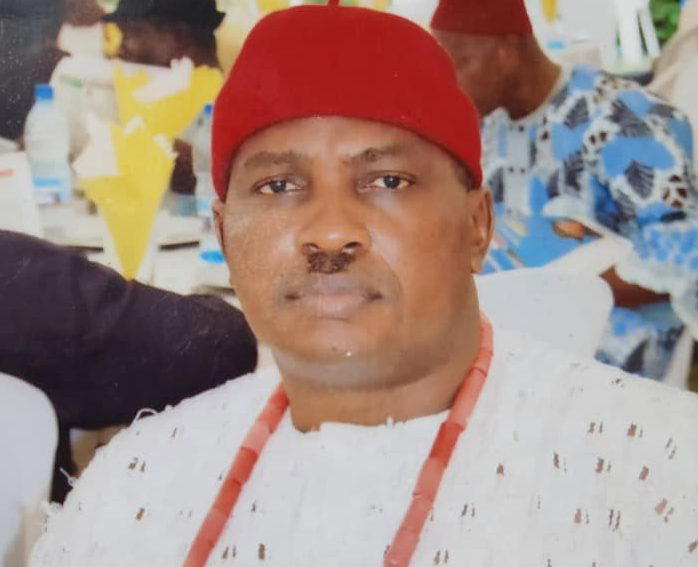
By Dapo Akinrefon
Prince Tonnie Oganah is the Director of Media for the Anioma State creation. In this interview, he speaks on the prospect of the creation of Anioma State, why Ned Nwoko, the lawmaker representing Delta North, deserves reelection.
He also expresses optimism about the commitment of the All Progressives Congress, APC, to the creation of Anioma State, among others. Excerpts:
What’s the guarantee that APC is sincere with Anioma State creation? Is it not just a vote‑inducing promise meant to deceive the Anioma people?
He says the claim is inaccurate. According to him, both former and current APC chairmen have publicly affirmed the party’s commitment to the project, and Senate President Godswill Akpabio, who identifies with the Igbo nation, has also endorsed the creation. Oganah adds that Senator Ned Nwoko’s persistent efforts are expected to persuade the 10th Senate and the House of Representatives, together with state assemblies, to establish the new state and improve the federation’s balance, noting that Anioma is a predominantly Igbo region that would promote equity and unity.
He argues that among the state‑creation requests from Igbo‑populated areas, Anioma is the only one that adds value to the southeast from the south‑south without generating hostility among south‑south residents, who he says are pleased to see the proposed alignment.
He points out that the APC holds a two‑thirds majority in all federal and state legislative chambers, and suggests that the party’s goal of having seven states per geopolitical zone is achievable, which he believes will secure an electoral advantage for the APC despite the challenges posed by the Nigeria Democratic Congress (NDC) and the defections of Peter Obi and Kwankwaso.
Why did the umbrella body of all Anioma people, IZU ANIOMA, openly endorse both Anioma State creation and the re‑election of Senator Ned Nwoko when there are other Anioma sons and daughters in the race?
He explains that the organization acted because, in his view, every conscientious Anioma individual should support the creation of Anioma State to fulfill ancestral aspirations, unlock prosperity, and unite all Igbo people across the thirteen states where they reside, thereby correcting the current perceived marginalisation of the Igbo in the federation.
According to Oganah, the endorsement of Ned Nwoko stems from his perceived superiority over other candidates, citing his vision for empowerment, liberation, and broader societal benefit, with particular emphasis on the black race. He references the senator’s legislative initiatives, including anti‑malaria measures, monthly allowances for widows and the unemployed, the exclusive use of the naira as legal tender, the right of citizens to bear arms, and the demand for a one‑month advance rent payment.
He also notes that Nwoko has advocated for the completion of several infrastructure projects: the Ukpai Light project, the Ogwashi Uku water dam, the coastal road in Aboh, and the dredging of the Niger River at Asaba and Onitsha. Oganah describes Nwoko as the most decorated federal legislator in Nigeria, a status confirmed by his colleagues’ nominations, and asks why Anioma people would reject a figure receiving global recognition.
He urges readers to compare Nwoko’s legislative record with those of other politicians, including former governors with greater resources, asserting that no governor has achieved what Nwoko has accomplished as a senator. He calls for collective support of Nwoko to realise prosperity through the creation of Anioma State, stating that the benefits would extend to all families, naming surnames such as Okafor, Adaeke, Okolie, Adankwo, Adaolie, Adafor, Okeke, and Okonkwo.
He criticises past internal disputes, describing them as a waste of time, and adds a personal remark about Nwoko’s preferences.
He concludes by highlighting Nwoko’s role in repatriating funds that were previously over‑invoiced and allegedly misappropriated, suggesting that these actions will restore the former prosperity of both the Anioma people and the broader Igbo nation.
The post Completion of Anioma State tied to Nwoko’s 2027 return — Oganah appeared first on Vanguard News.




/https%3A%2F%2Fmedia.afrik-foot.com%2Fen-ng%2F2026%2F02%2Fimago1072292606.jpg)
/https%3A%2F%2Fmedia.afrik-foot.com%2Fen-ng%2F2026%2F05%2Fimago1073328963.jpg)
 English (US) ·