
.png) 3 months ago
39
3 months ago
39
ARTICLE AD BOX
By Sola Ogundipe
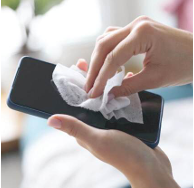
Scientists at the University of Massachusetts Amherst have created a smartphone‑based device that can detect bacterial contamination on surfaces in just a few minutes.
The breakthrough, which researchers say could improve hygiene monitoring in hospitals, food factories, gyms and other public venues, is called ‘BactiSee.’ It combines a chemically coated testing chip with the imaging capabilities of a smartphone to quickly assess surface cleanliness and the presence of harmful bacteria.
BactiSee builds on more than a decade of research and could change how businesses and health institutions manage contamination risks, particularly in settings where rapid sanitation checks are essential.
“This rapid, on‑site microbial risk check gives users greater confidence in surface cleanliness, supports more effective sanitization decisions and helps reduce preventable cross‑contamination,” said Yuzhen Zhang, a postdoctoral researcher at UMass Amherst who helped develop the technology.
“BactiSee looks like a COVID test crossed with a smartphone. It provides a direct and reliable measurement of bacterial contamination, with results available in about five minutes,” Zhang explained. Zhang worked with Professor Lili He, Head of the Food Science Department at the university, on the research that led to the device.
The project, which has now been spun off into a startup company, HertZ Innovation Inc., is preparing to commercialise the technology.
Researchers say BactiSee offers fast, reliable and portable contamination testing without heavy reliance on laboratory analysis. The technology could become a key tool in food safety monitoring and infection prevention as global concerns about bacterial transmission in public environments grow.
At present, the most reliable method for measuring bacterial contamination on surfaces is swab‑and‑culture testing in a laboratory—a process that can take one to two days, making it impractical for routine, on‑site decision‑making.
“We believe this collaboration is a strong example of how the UMass ecosystem supports UMass‑developed technologies by helping bridge the gap between laboratory innovation and real‑world impact,” said Zhang and He. “Ultimately, by working across campus our research can help further the common good by giving inspectors the tools they need to protect public health.”
The post New tech detects bacteria on smartphone screen in just 5 mins appeared first on Vanguard News.





 English (US) ·