
.png) 2 weeks ago
17
2 weeks ago
17
ARTICLE AD BOX
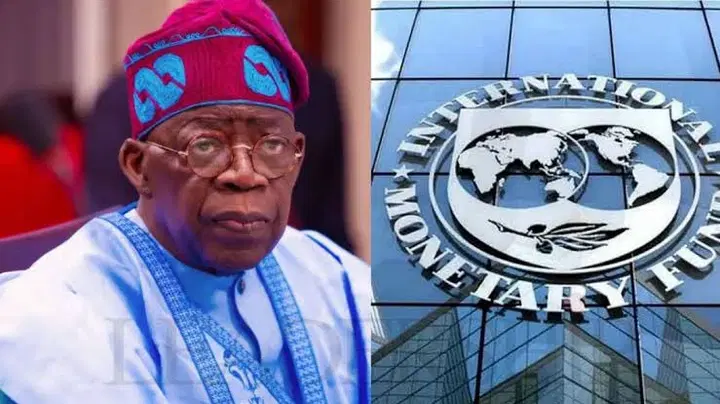
The International Monetary Fund (IMF) praised Nigeria’s economic reforms over the past three years, stating that they have bolstered macroeconomic stability and enhanced the country’s resilience.
This assessment was released on Tuesday after the IMF Executive Board concluded its 2026 Article IV Consultation with Nigeria.
While acknowledging progress, the board warned that living conditions for many Nigerians remain difficult, and that poverty and food insecurity could worsen amid current global economic headwinds.
In its evaluation, the directors said that tight macroeconomic policies and ongoing structural reforms—backed by technical assistance from the Fund and development partners—are essential for maintaining stability and fostering inclusive growth.
The directors urged a neutral fiscal stance in 2026 to support macroeconomic stability and disinflation while protecting priority expenditures and social spending.
They welcomed Nigeria’s recent tax reforms but noted that additional tax measures may be needed in the medium term, including funding for an expanded cash transfer programme to aid the most vulnerable.
The board also expressed concern over off‑budget spending and complex financing arrangements, calling for accelerated reforms to strengthen public financial management, fiscal reporting, transparency, accountability and fiscal risk management.
Regarding monetary policy, the directors praised the authorities for reducing inflation, while acknowledging renewed inflationary pressures from higher international fuel and food prices.
They advised the Central Bank of Nigeria (CBN) to maintain a tight monetary policy stance and continue a data‑driven approach until inflation is firmly on a downward trajectory and expectations are fully anchored.
The directors welcomed progress toward an inflation‑targeting framework and encouraged further efforts to strengthen monetary policy transmission and communication.
On exchange‑rate management, the board endorsed the authorities’ commitment to a flexible exchange‑rate regime, noting that foreign‑exchange interventions could play a complementary role under specific circumstances.
The directors called for a gradual reduction in reliance on portfolio inflows with rollover risks and urged the phased removal of remaining exchange restrictions, capital‑flow‑management measures and multiple‑currency practices when conditions permit.
The IMF board noted that Nigeria’s financial system remains resilient, supported by recent bank recapitalisation, but urged continued vigilance over rising non‑performing loans and links between banks and sovereign debt.
It also encouraged faster implementation of Basel III standards, including the countercyclical capital buffer and liquidity coverage ratio, while stressing the importance of stronger supervision of stablecoins and other crypto‑asset activities within the regulatory perimeter.
The directors welcomed Nigeria’s removal from the Financial Action Task Force (FATF) grey list, noting that sustained implementation will be essential to maintaining recent gains in financial integrity.
They emphasised the need for broader reforms to promote inclusive growth and economic diversification, identifying governance, security, electricity, agriculture, infrastructure and human‑capital development as priority areas.
The board also called for improvements in macroeconomic statistics to support policymaking, while some directors highlighted the importance of integrating climate considerations into economic and development planning.
According to the IMF, Nigeria’s economic reforms have delivered stronger macroeconomic outcomes despite persistent social challenges.
The Fund estimated economic growth at 4.0 percent in 2025 and projected it to rise slightly to 4.1 percent in 2026, although higher food and transport costs were expected to weigh on activity.
It said inflation rose to 15.4 percent year‑on‑year in March 2026 after declining for more than a year, reflecting the impact of higher global fuel and food prices.
The IMF, however, projected that the disinflation trend would resume in the second half of 2026.
The Fund reported that Nigeria’s gross international reserves increased to 46 billion dollars in 2025 from 40 billion dollars at the end of 2024, while net international reserves rose to 35 billion dollars from 23 billion dollars over the same period.
It also noted that the consolidated government’s overall fiscal deficit increased to 4.4 percent of Gross Domestic Product (GDP) in 2025, largely due to lower‑than‑expected oil revenues.
The IMF warned that uncertainty surrounding global fuel and food prices, as well as domestic security challenges, posed significant risks to the country’s economic outlook.
It added that stronger revenue mobilisation could create additional fiscal space for growth‑enhancing and social expenditures.
The post IMF commends Nigeria’s reforms, urges sustained efforts on poverty, inflation appeared first on Vanguard News.











 English (US) ·