
.png) 10 hours ago
3
10 hours ago
3
ARTICLE AD BOX
By Ayo Onikoyi
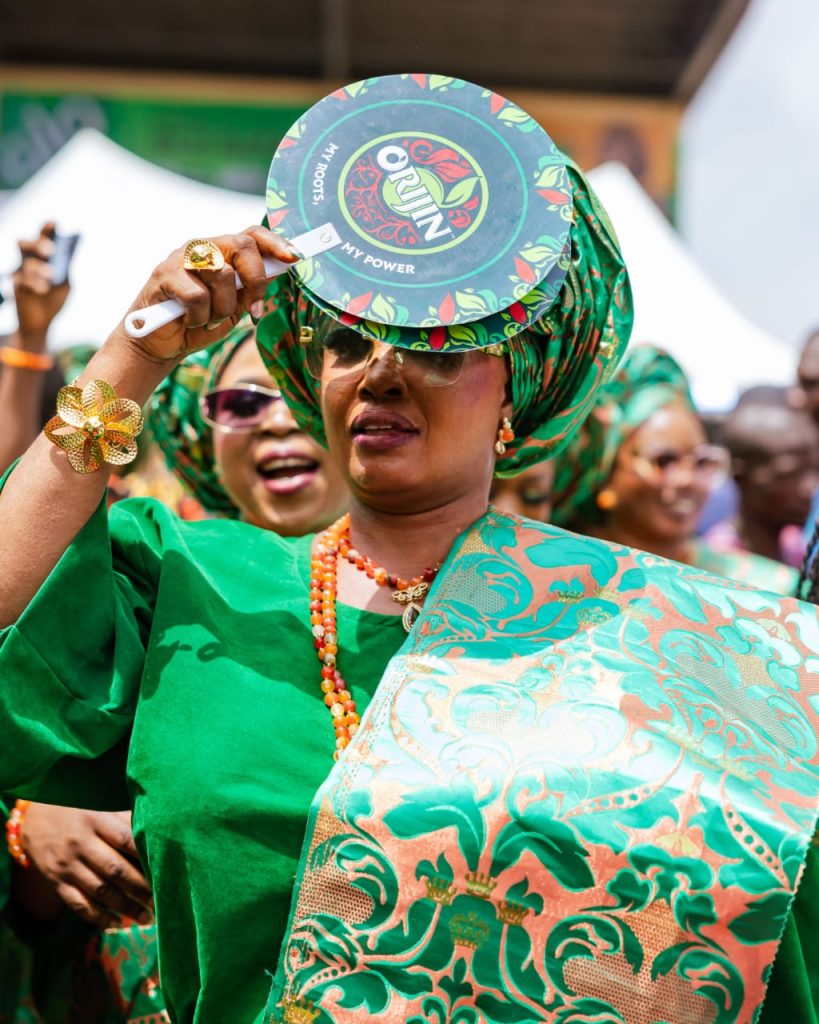
In Ijebu‑Ode this year, culture did more than appear—it moved. It moved through color, rhythm, and generations, manifesting in the synchronized elegance of the regberegbe, the confidence of tailored Aso‑Oke, and the drumbeats that carried heritage into the present. At the heart of it all, Orijin didn’t merely participate; it amplified the movement.
Ojude Oba has long been a powerful cultural gathering. The 2026 edition carried an added depth following the passing of Oba Sikiru Kayode Adetona. The festival returned during a moment of transition—not of silence, but of continuity and celebration—reminding everyone that culture does not pause; it evolves.
This year, the evolution was bold. From the pavilion to the streets, culture was expressed not as a preserved relic but as an active display of fashion, presence, and energy.
Beyond the main arena, the Orijinal Village became the pulse of this expression. It was more than a gathering spot; it was where a new rhythm emerged, shaped by a generation redefining belonging.
Style was storytelling
Music was identity
Presence was performance
Young Nigerians arrived not only to celebrate culture but to interpret it—confidently, creatively, unapologetically. The Village didn’t just host the moment; it amplified it.
As day turned to night, the energy intensified. Performances flowed from Fuji legends to contemporary sounds, with DJs taking the stage. Crowds responded, and in that exchange, different generations met—not in contrast, but in sync. The past did not disappear; it evolved.
Within the Orijin Village, this evolution took a curated, refined form while remaining rooted. Culture was experienced through taste, atmosphere, and shared moments, proving that expression is multidimensional—from street celebrations to intimate, crafted experiences.
Outside the performances, another layer unfolded. Creators, influencers, and everyday attendees captured moments, turning them into content that pushed culture beyond Ijebu‑Ode. What was once local became global, and Ojude Oba transformed from a festival into a cultural signal.
At Ojude Oba 2026, Orijin was more than a sponsor; it created conditions for culture to move. Through the Orijinal Village, the brand fostered participation over observation, expression over preservation, and connection over consumption.
As Dorcas Mashingil, Brand Manager of Orijin, explains: “Culture today is not just remembered—it is expressed. Through Orijin, we’re creating spaces where people can show up fully, celebrate identity, and make culture their own.”
When the music faded and the colors settled into memory, one truth remained: Culture is not static. It lives, shifts, and moves with the people who carry it. At Ojude Oba 2026, Orijin stood at the center of that movement—actively helping it happen.
The post Thoughts on Ojude Oba: When style was motion picture, culture identity appeared first on Vanguard News.














 English (US) ·