
.png) 3 months ago
47
3 months ago
47
ARTICLE AD BOX
By Dennis Agbo
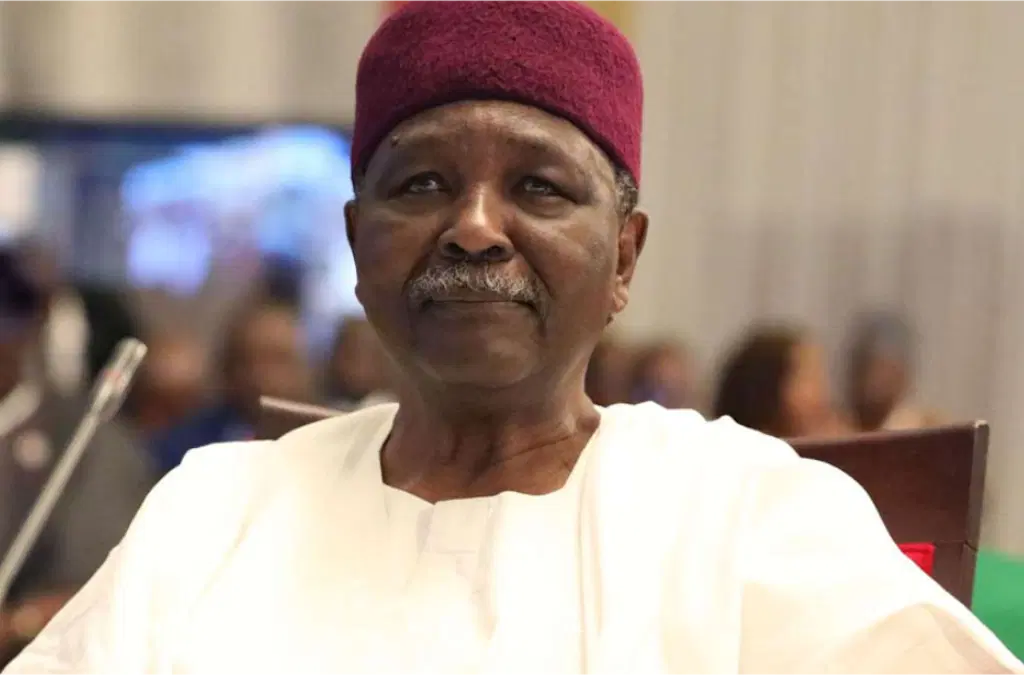
Former Enugu State House of Assembly member and ex‑South‑East spokesman for President Bola Tinubu, Denge Onoh, has criticised former Head of State Yakubu Gowon for recent remarks about civilian casualties during the Nigerian Civil War, calling the comments a dangerous minimisation of the conflict’s human tragedy.
Read Also: 2027: 31 APC Govs endorse Tinubu with 10.99m votes
In a statement yesterday, Onoh condemned Gowon’s comments made during an interview on Arise Television. Gowon said that after visiting former Biafran territories post‑war, he noticed black spots on palm trees and was told they were bullet marks, concluding that “most of the bullets fired by the Nigerian army hit palm trees, not people.”
Onoh argued that the claim contradicts historical accounts, eyewitness testimonies and international reports on the civil war, and fails to reflect the true scale of suffering. He noted that the war, fought between 1967 and 1970, claimed an estimated three million lives, most through starvation and disease linked to the federal blockade, as well as civilian casualties from combat operations, bombings and reprisals.
“Reducing these horrors to bullets harmlessly striking palm trees does not withstand basic scrutiny,” Onoh said. “It ignores the well‑documented humanitarian crisis, including widespread kwashiorkor among children, mass displacement and the devastating human cost of prolonged fighting across the South‑East.”
Onoh also questioned the credibility of Gowon’s autobiography, My Life of Duty and Allegiance, arguing that the book appears to sustain a defensive narrative of the war. He said Gowon’s portrayal of the conflict as a reluctant “police action” aimed at preserving national unity, while largely blaming Biafran leaders and downplaying the impact of pre‑war killings and the blockade, amounted more to personal justification than an honest historical reflection.
The former lawmaker acknowledged Gowon’s post‑war policy of “No Victor, No Vanquished” and the 3Rs programme—Reconciliation, Rehabilitation and Reconstruction—but maintained that genuine healing could only come through open acknowledgment of the suffering endured by war victims.
According to him, attempts to excuse or deflect atrocities through “anecdotes like the palm trees story” only weaken public trust in the overall account of the conflict.
Onoh urged Nigerians, especially those from the South‑East, to read Gowon’s memoir critically, stressing that national healing requires confronting the full human cost of the civil war.
Drawing comparisons with global historical examples, he cited former United States Defence Secretary Robert McNamara and Lt. William Calley, who later expressed remorse over the Vietnam War, as well as German leaders who apologised for atrocities committed during the Second World War.
“In light of this, General Gowon owes the Igbo people a simple, sincere apology for the suffering endured during the war,” Onoh stated. “Not that this simple act means anything, but it means everything. Such an apology will be remembered as the act of a true statesman and a genuine step toward healing and reconciliation.”
The post Gowon should apologise to Igbo over ‘Palm Tree’ war comment – Onoh appeared first on Vanguard News.




 English (US) ·