
.png) 3 months ago
57
3 months ago
57
ARTICLE AD BOX
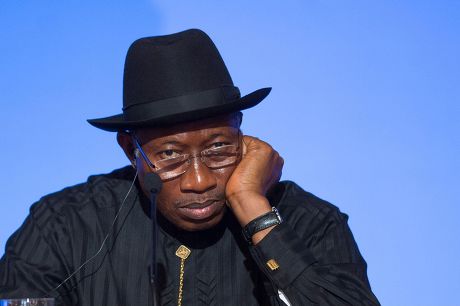
A Federal High Court in Abuja issued a ruling on Tuesday that former President Goodluck Jonathan is still eligible to run in the 2027 presidential election, reigniting discussions about constitutional limits on tenure and succession in Nigeria.
Justice Peter Lifu, who delivered the judgment, stated that no legal barrier prevents Jonathan from seeking the presidency again, noting that the matter had already been largely decided by the Court of Appeal.
The court also dismissed the lawsuit filed by Abuja‑based lawyer Jideobi Johnmary as frivolous and an abuse of the court process.
Why the court ruled Jonathan can contest in 2027
The lawsuit questioned whether Jonathan could legally run for president again after having taken the oath of office twice.
Jonathan first assumed office in 2010 following the death of President Umaru Musa Yar’Adua, and later won the 2011 presidential election.
The plaintiff argued that if Jonathan were to contest and win in 2027, he would exceed the constitutional limit of eight years for a Nigerian president.
Relying on Section 137(3) of the 1999 Constitution as amended, the plaintiff asked the court to bar Jonathan from future presidential elections and to prevent the Independent National Electoral Commission from recognizing his candidacy.
Justice Lifu ruled that the plaintiff lacked the legal standing to bring the suit and emphasized that the issue had already been settled by the Court of Appeal.
The decision confirms that there is currently no constitutional obstacle that would stop Jonathan from contesting the 2027 presidential election if he chooses to do so.
Background
The debate over Jonathan’s eligibility has persisted for years because of the circumstances under which he first became president.
As vice president, Jonathan completed Yar’Adua’s term after the latter died in office in May 2010, before winning the 2011 presidential election.
The controversy intensified after the Fourth Alteration Act introduced Section 137(3) into the Constitution in 2018.
The provision states that any person sworn in to complete another president’s tenure cannot be elected to the office more than once.
Critics argued that the amendment disqualified Jonathan from seeking another term, while his supporters maintained that the law could not be applied retroactively because he assumed office before the amendment was enacted.
In 2022, a Federal High Court in Yenagoa ruled that Jonathan remained eligible to contest, holding that applying the amendment against him would constitute retroactive enforcement of a law.
The Court of Appeal later upheld that decision, a position Justice Lifu cited in Tuesday’s judgment.
Although Jonathan has not publicly announced any interest in the 2027 race, the latest ruling is likely to fuel further political discussions about a possible return to active presidential politics.
The post Explainer: Why court ruled Jonathan can contest 2027 presidency appeared first on Vanguard News.






 English (US) ·