
.png) 2 months ago
43
2 months ago
43
ARTICLE AD BOX
Journalists often imagine that the world would end without them. A joke from my former journalism teacher captures this vanity: even if the world were to finish, reporters would still be there to inform those in paradise about what is happening on the other side.
Such an illusion robs the profession of sanity. It keeps reporters chasing an endless news cycle where bad news becomes good copy. A brief pause can feel like guilt and panic, and rest may seem like a luxury.
After turning 60, I decided it would be foolish to keep following this pattern. I resolved to experience normal life at least once a year. I paused my column for three weeks and chose to travel to America at a time when many people would wonder what I was seeking in a country whose president is not inclined to welcome immigrants. It is easier for a camel to pass through the eye of a needle than to visit America these days.
Getting a visa
If I needed a new visa to visit today, it is unlikely I would obtain one. This has nothing to do with my past or present travel record to the US or elsewhere. Even securing an interview date could take months, or up to a year.
Since January, Nigeria has been listed among the 14 African countries on the US partial travel restriction list; 11 others, including Burkina Faso, Chad, Mali, Niger and Somalia, are on the full travel ban list.
Changing times
I have visited more than 40 countries for work and have never overstayed or encountered trouble. America used to be my favorite holiday destination. My friends, Buddy and Paula Baker, Floridians now in their 70s, embodied the essential American spirit of warmth, kindness and generosity.
America’s inventive spirit and diversity remind me of my own country. I also enjoyed the chaotic motorways. The freedom to rent and drive a car during visits outweighed my concerns about many ordinary Americans’ ignorance of other parts of the world, not to mention the ongoing danger posed by the country’s lax gun‑control laws.
Visa is not a guarantee
Back to the visa issue. I am fortunate to hold a five‑year visa issued three years ago, before the current president won his second term and changed many policies. Non‑immigrant visas are now single‑entry, three‑month, with a vetting process that could require the presentation of your grandmother’s wisdom tooth.
A new plan, effective this June for Nigeria and other African countries, may reduce US consular posts, raising visa costs and limiting access for applicants.
On paper, this should not trouble me, since I am in good standing for another two years. Yet, in the current climate, having a valid visa is one thing; entering the US is another.
According to one source, US airports receive between 210,000 and 250,000 foreign visitors daily, depending on the season. Vetting of arrivals increased after September 11, and heightened scrutiny has been observed since 2025, following President Donald Trump’s inauguration to a second term.
Scrutiny can involve US Customs and Border Protection (CBP) searching your phone and reviewing your social media posts. In 2025, WIRED magazine reported that CBP conducted more than 55,424 electronic‑device searches.
Preparing for America
While preparing for this trip, two recent examples of what I perceived as US consular overreach during Trump’s presidency came to mind. One was the revocation of the visa of Africa’s first Nobel laureate, Professor Wole Soyinka, for what many believed was his outspoken criticism of Trump, including remarks that compared the president to former Ugandan dictator Idi Amin. It did not matter that Trump had, among many travesties, and relying on what was at best dubious information, called Nigeria a shithole and a disgraced country.
The other example, which occurred days before my trip, was the revocation of the valid visa of Somali FIFA referee Omar Abdulkadir Artan upon arrival in the US, for alleged links to a terrorist group – an allegation that Artan has denied, and which FIFA has refused to involve itself in.
Mixed expectations
With all of these swirling around, I did not know what to expect on this trip, and I considered canceling more than once. America did not seem the same as it used to be, not only for me but also for many decent US citizens who have seen their country change in a rather grotesque way in recent months.
I was unsure what to expect, especially given my strong views on some of Trump’s actions for which I have no apologies. Will it still be the same America that welcomed visitors, was friendly to strangers and generous in spirit? Or has the country become dominated by ferocious meanness, fear of otherness and narrow‑minded insularity?
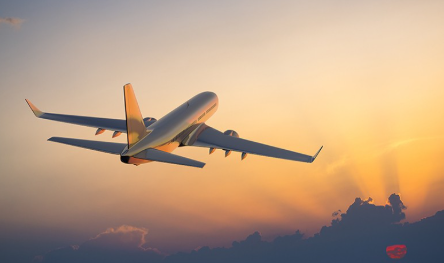
After six hours from Abuja to Frankfurt, a two‑hour stopover, and a 10‑hour 35‑minute flight, I disembarked from the Lufthansa plane at Houston International Airport on the morning of June 10, heading toward border security, unsure of what to expect; a feeling you get when approaching the yard of a once‑dependable friend who has lately become the neighbourhood bully.
The border police surprised me. Apart from a Customs officer flagging me and extracting a small packet of velvet tamarin (called liki‑liki in my region) from my luggage, my entry was uneventful. The CBP was warm, courteous and professional. I have encountered a couple of other police officers in Houston and Florida who gave me the impression that perhaps, just perhaps, there is a redeeming hope.
Surprise, surprise…
I have only been visiting for a few days, and perhaps the spirit of the FIFA 2026 World Cup (with the US one of the three host countries) may also explain the cordiality, especially with hundreds of thousands of tourists visiting at this time. White House common sense is perhaps putting its best foot forward, for now.
Whatever happens, there are some things I promised myself I will not do for my mother’s sake. I will not drive, even if I could, and I will not walk the streets, day or night, without my passport.
The


 English (US) ·