
.png) 4 months ago
54
4 months ago
54
ARTICLE AD BOX
By Chioma Obinna
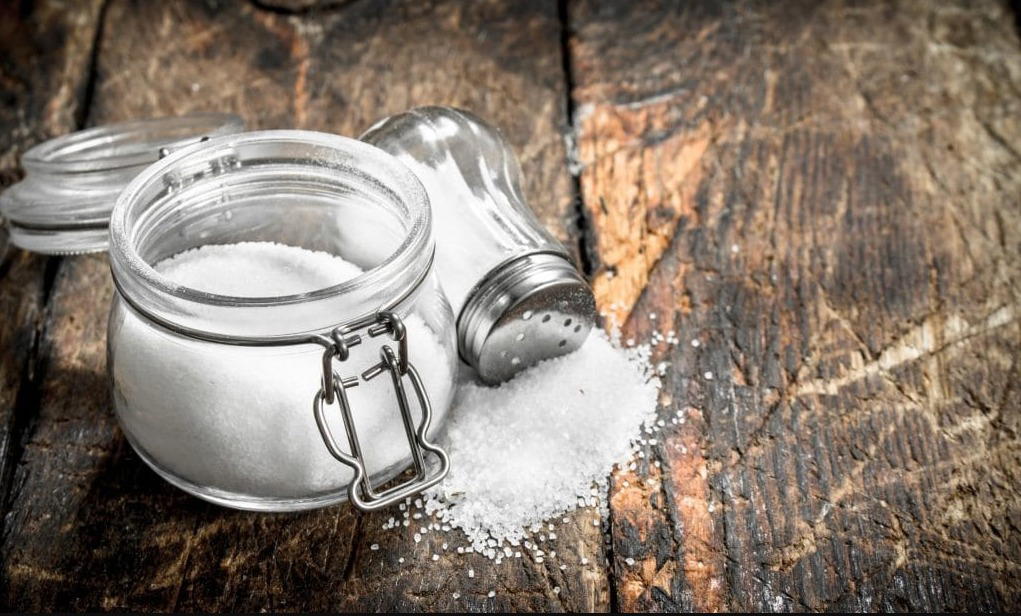
During Nigeria’s participation in World Salt Awareness Week 2026, a coalition of prominent health advocacy groups highlighted a growing public‑health crisis linked to excessive salt consumption and unhealthy dietary habits.
The coalition, which includes the Network for Health Equity and Development, the Centre for Communication and Social Impact, and Corporate Accountability and Public Participation Africa, urged the Federal Government to adopt stricter sodium‑reduction policies to address the increasing incidence of hypertension, stroke, heart disease, kidney failure, and other non‑communicable diseases.
In a joint press statement released for World Salt Awareness Week 2026, themed “Salt It Out,” the organisations warned that Nigerians are ingesting dangerously high levels of sodium, largely because of a growing reliance on ultra‑processed foods rich in salt, sugar, and unhealthy fats. They estimated that the average Nigerian consumes about 3.8 grams of sodium—roughly 10 grams of salt—each day, nearly twice the World Health Organization’s recommended maximum of two grams of sodium or five grams of salt per day.
Babafunke Fagbemi, Executive Director of CCSI, described high salt intake as a key factor driving Nigeria’s escalating hypertension and cardiovascular disease burden.
“Excess salt consumption is no longer a silent issue. It is now a major public health emergency contributing to the alarming rise in hypertension and cardiovascular diseases across the country,” she said.
Fagbemi emphasized that sodium reduction must become a national priority, supported by enforceable regulations such as mandatory sodium limits in processed foods, front‑of‑pack warning labels, and sustained public‑education campaigns.
Jerome Mafeni, Technical Adviser of NHED, warned that Nigeria’s healthcare system could suffer severe long‑term consequences if urgent preventive measures are not introduced. He noted that the growing burden of non‑communicable diseases is already straining the nation’s fragile health infrastructure and increasing social and economic pressures on families.
Akinbode Oluwafemi, Executive Director of CAPPA, cautioned that nutrition policies should not inadvertently promote the consumption of ultra‑processed foods.
“As Nigeria responds to nutrition challenges, we must also ensure that food policies do not unintentionally encourage increased consumption of ultra‑processed foods linked to rising cases of diet‑related non‑communicable diseases,” he said.
The coalition called on the Federal Ministry of Health and Social Welfare, the National Agency for Food and Drug Administration and Control, and the Standards Organisation of Nigeria to take decisive action to safeguard Nigerians from unhealthy food environments.
They advocated for mandatory salt‑reduction targets for processed foods, clearer warning labels on unhealthy products, stronger nutrition‑education campaigns, and greater support for healthier food choices.
In addition, the groups advised Nigerians to cut back on added salt and seasoning cubes, increase consumption of fresh foods, fruits and vegetables, and adopt natural spices such as ginger, turmeric, curry, and fish powder.
“As we mark World Salt Awareness Week, we must recognise that healthy diets are not just a matter of personal choice but also of public policy. The government has a responsibility to create food environments that protect health rather than undermine it.”
World Salt Awareness Week 2026 runs from May 11 to 17 and focuses on reducing dietary salt intake to prevent hypertension, stroke, heart disease, and kidney damage.
The post Salt is killing Nigerians quietly — Advocates appeared first on Vanguard News.


 English (US) ·