
.png) 2 hours ago
1
2 hours ago
1
ARTICLE AD BOX
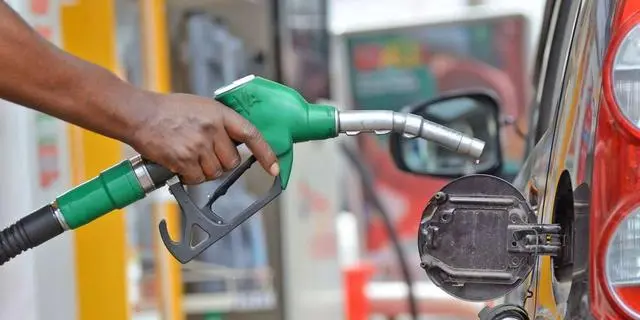
Motorists in the Federal Capital Territory (FCT) have voiced concerns over the high price of petrol, even though global oil prices have fallen.
They say that many filling stations in the FCT have not yet updated their pumps to reflect the recent drop in oil prices.
The News Agency of Nigeria (NAN) reports that the price of crude oil on the world market has fallen from $150 per barrel to below $80 per barrel.
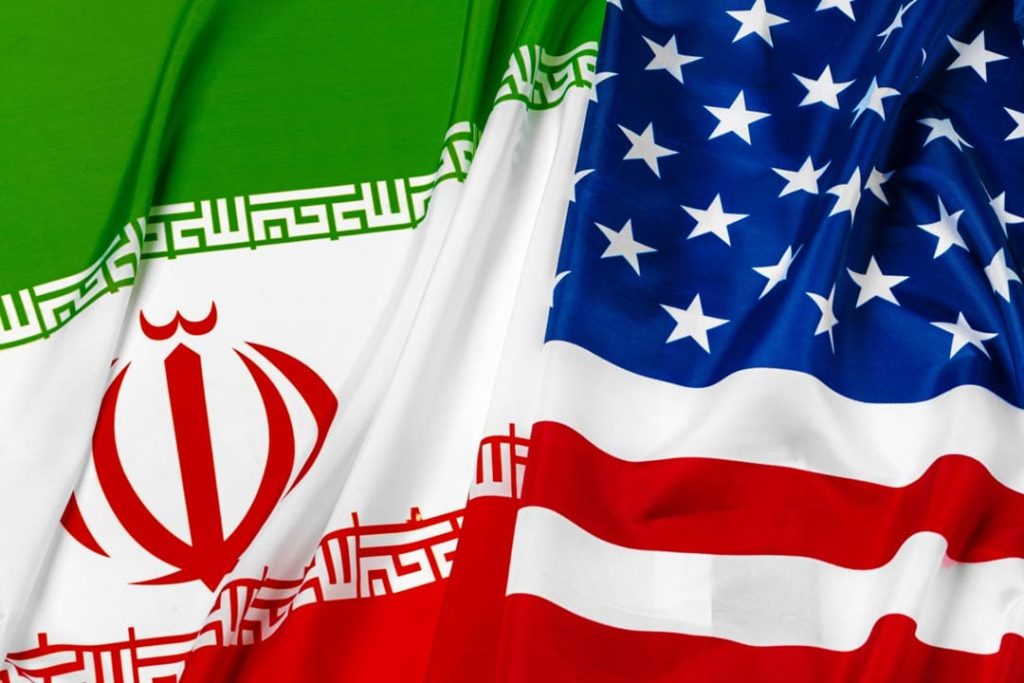
This decline is attributed to the easing of tensions between the United States and Iran.
As a result, the Dangote Refinery lowered its petrol gantry price by N75 per litre after crude prices dipped below $80 per barrel.
NAN’s investigation found that some stations, such as MRS, had adjusted their pump prices to between ₦1,241 and ₦1,261 per litre, while other outlets charged between ₦1,335 and ₦1,360 per litre.
The Petroleum Products Retail Outlets Owners Association of Nigeria (PETROAN) has urged fuel importers to reflect the global price drop in their retail rates.
Petroan’s National President, Mr. Billy Gillis‑Harry, said the recent fall in crude prices presented an opportunity to pass savings on to consumers.
Mr. Chinedu Ukadike, National Publicity Secretary of the Independent Petroleum Marketers of Nigeria (IPMAN), attributed the slow price adjustment to financial risks.
He explained that high operating costs, among other factors, are why many stations have not reduced their pump prices.
Ukadike said the delay was largely driven by demand‑supply dynamics; marketers who bought fuel at higher prices could not immediately lower their rates without incurring significant losses.
He noted that under the current deregulated system, there is no government compensation mechanism to cushion marketers against losses from sudden price changes.
Ukadike added that the financial burden on marketers has risen sharply due to the increasing capital required to purchase petroleum products.
“The amount of money needed to buy petroleum products today is far higher than it was in the past. At the same time, interest rates on bank loans remain high, insurance costs are increasing, and the overall cost of doing business continues to rise,” he said.
To address challenges in the downstream petroleum sector, Ukadike said several measures are needed to improve price stability and reduce risks across the supply chain.
He recommended establishing a Petroleum or Energy Bank to provide financing support for petroleum product purchases.
According to him, such an institution would work directly with refiners and marketers to absorb market risks, facilitate product distribution, and stabilize fuel pricing.
Ukadike urged the Federal Government to introduce additional incentives that would support independent marketers and help keep fuel prices affordable for consumers.
“Fuel distribution affects every sector of the economy. When fuel prices rise, transportation costs increase and inflation spreads across society. Government policies should therefore focus on promoting affordable energy while ensuring energy security,” he said.
He also called for the rehabilitation and full operation of local refineries, including the Port Harcourt and Kaduna Refineries.
He said that domestic refining capacity would enhance competition, diversify supply sources, and contribute to greater price stability in the petroleum sector.
The post Motorists berate oil marketers over high cost of petrol despite global price drop appeared first on Vanguard News.










 English (US) ·