
.png) 4 months ago
53
4 months ago
53
ARTICLE AD BOX
Stakeholders in Lagos State have urged the adoption of stronger policies and coordinated measures to confront the escalating risk of lead poisoning and reduce public exposure to toxic substances throughout the state.
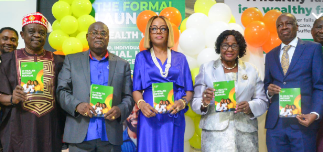
The appeal was made during a three‑day workshop organized by Resolve to Save Lives (RSTL) in partnership with the Lagos State Government.
The workshop convened officials from health, environment, consumer protection and water management sectors to devise strategies aimed at tackling lead contamination in consumer products, water supplies and the broader environment.
Speaking at the event, Dr. Nanlop Ogbureke, Executive Director of Resolve to Save Lives, explained that the initiative was intended to help Lagos State develop an implementation roadmap to eliminate lead from cosmetics and other consumer products.
She noted that lead poisoning remains a major public health concern due to its devastating effects on children, women of childbearing age and adults.
“We are working together in supporting Lagos State to develop an implementation plan for a roadmap that will enable the state remove or eliminate lead from different sources. We are starting with lead in cosmetics and later extend to other consumer products,” she said.
Ogbureke added that lead exposure has become widespread because of contamination from mining activities, agriculture, polluted water sources and industrial waste.
She warned that even low exposure levels can have lifelong consequences, especially for children whose brain development and cardiovascular health could be permanently affected.
According to her, several cases of lead poisoning have already been recorded in different parts of Nigeria, making it necessary for governments and stakeholders to strengthen preventive measures and improve public education.
She also said the project would help generate national data across states to support advocacy for stricter regulations and enforceable policies.
“The government has responsibilities to create awareness and enforce regulations, while individuals and industries also have responsibilities to ensure lead contamination is prevented,” she stated.
Dr. Kemi Ogunyemi, Special Adviser to the Lagos State Governor on Health, also spoke, describing the workshop as evidence of Lagos State’s commitment to protecting residents through data‑driven interventions and stronger policies.
She highlighted that exposure to contaminated consumer goods, unsafe industrial practices, informal recycling activities and adulterated cosmetics continues to pose serious health risks in Nigeria.
Ogunyemi said children and women of reproductive age remain the most vulnerable to lead poisoning, which contributes to developmental disorders, preventable illnesses and long‑term health complications.
“Lead poisoning remains a major public health and environmental challenge in Nigeria. Exposure to contaminated consumer products and unsafe industrial activities continues to pose serious risks to residents,” she said.
Ogunyemi recalled that Resolve to Save Lives launched its lead poisoning prevention programme in Nigeria in May 2025 to support government efforts aimed at strengthening national systems for prevention and response.
She disclosed that Lagos is one of four pilot states selected for the programme, alongside Kano, Kwara and Nasarawa states.
Dr. Olajumoke Oyenuga, Director of Health Care Planning, Research and Statistics at the Lagos State Ministry of Health, said the workshop was organized to adapt the national strategic plan on lead poisoning prevention to Lagos State.
“At the end of this workshop, Lagos State will have a document that stakeholders can work with to ensure effective lead prevention and control,” she said.
Afolabi Solebo, General Manager of the Lagos State Consumer Protection Agency, warned that there is no safe level of lead exposure and identified imported cosmetics, traditional medicines, contaminated food items, industrial emissions, old plumbing systems and lead‑based paints as major sources of contamination.
He also raised concerns over unregulated battery recycling operations, electronic waste processing and illegal smelting activities in areas such as Ikorodu, Alaba and Ajegunle.
According to him, poor public awareness continues to worsen the challenge as many consumers cannot identify unsafe products or understand the dangers associated with lead exposure.
Solebo said the agency would intensify enforcement of product safety standards and strengthen public sensitisation campaigns to ensure safer products in Lagos markets.
Adeyemi Afolabi, General Manager of the Lagos State Waste Water Management Office, also stressed the need to prevent lead contamination in waterways across the state.
He described lead infiltration into waterways as a serious environmental and economic concern requiring urgent intervention from government agencies, industries and residents.


 English (US) ·