
.png) 12 hours ago
4
12 hours ago
4
ARTICLE AD BOX
This handout photograph, taken and released by the Iranian Foreign Ministry on June 16, 2026, shows Foreign Minister Abbas Araghchi discussing the agreement reached with the United States and regional developments at a meeting with ambassadors and diplomatic representatives from foreign countries in Tehran. Iran announced on June 16 that talks with the United States about its nuclear programme and sanctions relief would likely begin later that week, as President Donald Trump said the Strait of Hormuz would “completely open” once the parties sign their deal. Officials say negotiations over a final deal will take place within a 60‑day window after the memorandum of understanding is physically signed, ending nearly four months of war triggered by U.S.–Israeli strikes on Iran. (Photo by Handout / Iran’s Foreign Minister / AFP)
Iran’s Revolutionary Guards warned on Thursday against any crossings of the Strait of Hormuz without authorisation, stating that vessels not complying “will be dealt with.”
The future of the strait, a vital route for energy shipments that was blockaded by Iran during the war, remains a key sticking point in negotiations between Tehran and Washington.
Tehran says it will impose what it calls maritime service fees, rather than tolls, while the United States argues the strait is an international waterway and should not be subject to charges.
“The only authorised route for passage through the Strait of Hormuz is the route announced by the Islamic Republic of Iran,” said the Revolutionary Guards, the ideological arm of Iran’s military.
Any crossing without authorisation is “unacceptable and extremely dangerous,” they warned in a statement.
The Guards also denounced what they described as a new route through the waterway announced by “certain authorities.”
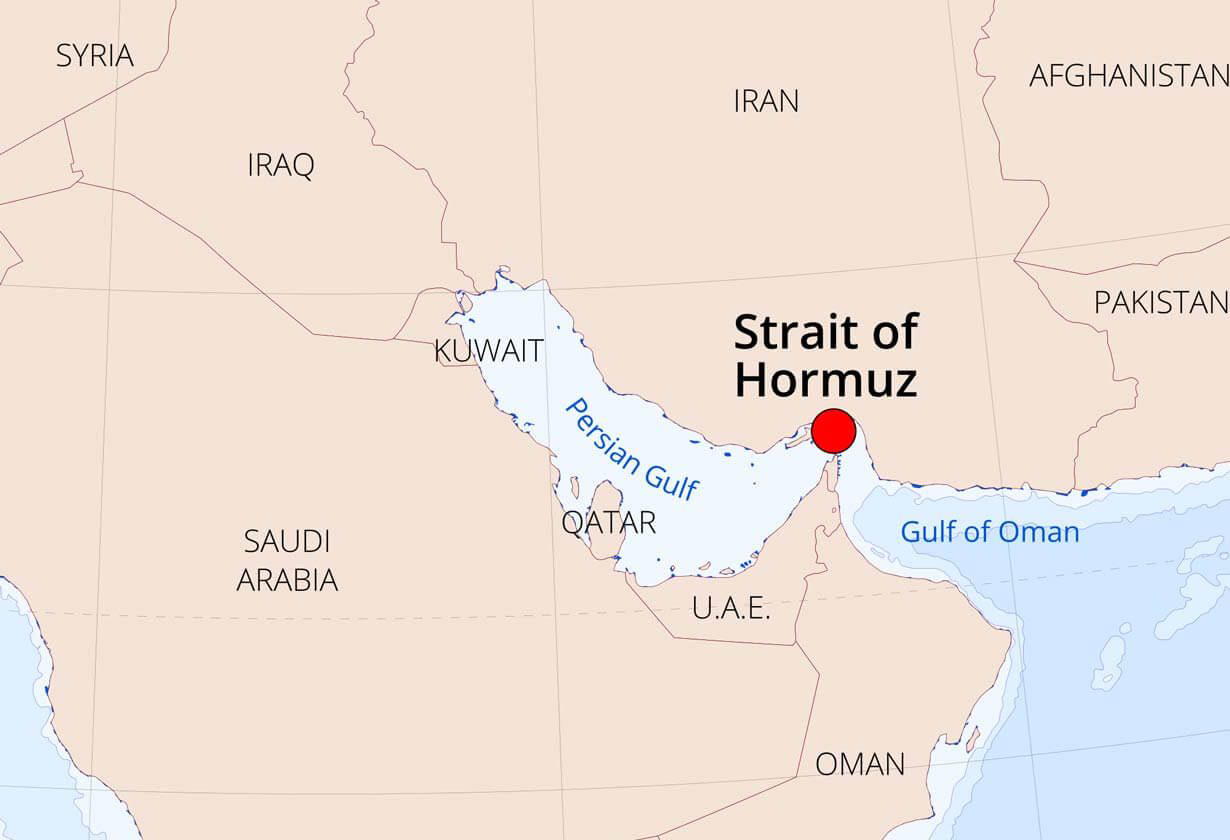
The statement did not elaborate but appeared to respond to an overnight announcement of a temporary corridor by Oman, which also borders the strait.
Omani authorities released a map of a route running close to the Omani coast that they said was coordinated with the International Maritime Organisation, a UN agency responsible for marine safety.
The only route currently authorised by Iran runs through a corridor that follows the Iranian coast.
The Strait of Hormuz is a narrow stretch of water between Iran and the Gulf countries through which roughly 20 percent of the world’s crude oil and liquefied natural gas normally transits. At its narrowest it is only about 30 kilometres (18 miles) wide.
A memorandum of understanding signed last week by Tehran and Washington to end their war stipulated that commercial ships may transit the strait free of charge for the next 60 days. With Iran and the U.S. in negotiations, it is unclear what arrangements will be in place after that period.
Iran and Oman announced on Tuesday that they would study the “costs” to be charged for services related to the administration of the strait. But U.S. Secretary of State Marco Rubio, visiting neighbouring Gulf countries this week, said Washington would not accept any tolls or fees.
AFP










/https%3A%2F%2Fmedia.afrik-foot.com%2Fen-ng%2F2026%2F05%2Fimago1076580365.jpg)
 English (US) ·