
.png) 1 month ago
39
1 month ago
39
ARTICLE AD BOX
Retaining Professionals
As ABUAD Hospital celebrates 50th successful kidney transplant
By Rotimi Ojomoyela
Ado‑Ekiti — Professor Smaranda Olarinde, Vice Chancellor of Afe Babalola University, Ado‑Ekiti (ABUAD), urged governments at every level to prioritise the welfare of health workers. She argued that better working conditions, higher pay and stronger career development pathways are essential to curb medical tourism and stem the exodus of skilled Nigerian healthcare professionals.
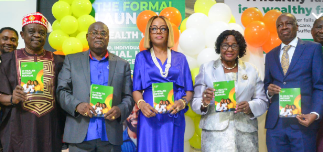
Olarinde delivered the appeal over the weekend during the celebration of the Afe Babalola Multi‑System Hospital’s (AMSH) landmark 50th successful kidney transplant.
Addressing journalists, the Vice Chancellor said that investing in modern medical equipment and infrastructure alone would not guarantee quality care unless healthcare professionals are adequately motivated and supported.
She lamented the ongoing migration of Nigerian health professionals abroad, attributing the trend to poor welfare packages, inadequate working conditions, safety concerns and limited opportunities for career advancement, rather than a lack of patriotism.
According to her, hospitals thrive not merely because of buildings or sophisticated equipment, but because of skilled, dedicated and fairly compensated personnel who deliver life‑saving services every day.
She therefore urged the Federal and state governments to maintain efforts aimed at improving the welfare of healthcare workers through better remuneration, enhanced workplace safety, expanded training opportunities and effective retention strategies.
“If we are serious about reducing medical tourism and retaining our best professionals, then the welfare of doctors, nurses, pharmacists, laboratory scientists, radiographers, physiotherapists and all other health workers must be treated as a national priority,” she said.
“Equipment alone cannot run a hospital, and buildings alone cannot treat patients. It is skilled, motivated, respected and fairly compensated health workers who make healthcare possible.”
“Nigeria continues to lose talented health professionals to other countries. It is not because they do not love their country, but because the system often fails to provide the conditions, remuneration, safety and professional fulfilment they need to thrive,” she added.
Speaking on the hospital’s achievement of performing its 50th kidney transplant, the Chief Medical Director, Dr. Akinola Akinmade, described the milestone as a significant step toward reducing medical tourism and expanding access to world‑class specialist healthcare within Nigeria.
According to him, kidney transplantation remains one of the most complex procedures in modern medicine, requiring meticulous patient selection, donor evaluation, highly skilled surgical teams, advanced anaesthesia, intensive care, infection control, laboratory support, pharmacy services, specialist nursing care and long‑term patient monitoring.
Dr. Akinmade said the hospital’s consistent success reflects years of deliberate investment in infrastructure, manpower development, international collaborations and a strong culture of patient safety.
He attributed the hospital’s achievements to the vision and sustained investment of the founder of Afe Babalola University, Ado‑Ekiti, Aare Afe Babalola, SAN, whose dream, he said, was to ensure Nigerians no longer needed to travel abroad for major medical procedures.
Another highlight of the event was the signing of a Memorandum of Understanding (MoU) between the hospital and Manipal Hospitals of India, led by renowned urologist, Dr. Rajeev Sood.
Speaking at the event, Dr. Sood said the COVID‑19 pandemic fundamentally changed how governments around the world viewed healthcare investment, as many political leaders realised there could be periods when travelling abroad for medical treatment was impossible.
According to him, the experience prompted many countries to prioritise the development of their domestic healthcare systems by increasing investment in medical infrastructure and specialist services.
He commended the quality of professionals and facilities at AMSH, noting that the institution had created an environment where healthcare workers could thrive and deliver world‑class care.
“In this multi‑system hospital, I have found not only a wonderful group of doctors but also an institution that is creating the right atmosphere for excellence in patient care,” he said.



 English (US) ·