
.png) 3 months ago
49
3 months ago
49
ARTICLE AD BOX
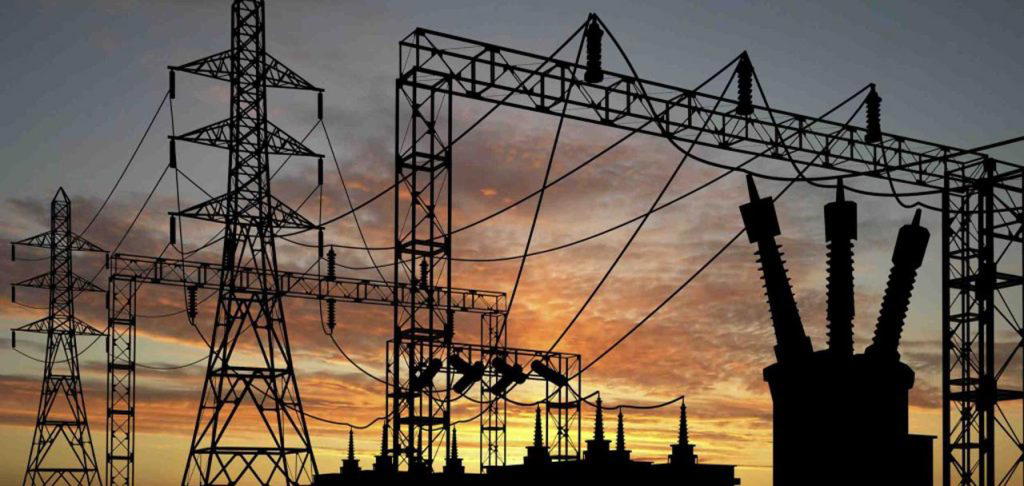
Indications suggest that Nigerians and businesses may continue to face an irregular electricity supply, as generation fell to 3,527.76 megawatts (MW) yesterday—a drop of 877.28 MW or 19.92 percent from the 4,405.04 MW recorded the day before, according to data from the Nigerian Independent System Operator (NISO).
With critical electricity infrastructure struggling to maintain output, stakeholders warn that without immediate action to address gas supply constraints and aging transmission facilities, the nation’s power sector recovery will remain stalled.
Experts attribute the sector’s challenges to policy inconsistency, regulatory weaknesses, corruption, and a lack of political will.
Prof. Wumi Iledare, an energy economist, said the power sector is not only underperforming but also financially trapped.
He stated: “Over N4 trillion in legacy debt continues to choke the entire value chain: GenCos unpaid, gas suppliers constrained, DisCos struggling, and NBET overstretched.”
“The so‑called ‘solutions’ have been mostly stopgaps – Central Bank of Nigeria interventions, guarantees, and subsidies – treating liquidity symptoms while ignoring structural failures.”
“Until Nigeria adopts cost‑reflective tariffs, with targeted subsidies, enforces market discipline, and resets governance, the sector will remain insolvent in practice – even if kept alive in policy. We cannot fix a structurally broken market with temporary cash injections.”
Muda Yusuf of the Centre for the Promotion of Private Enterprise (CPPE) added, “Nigeria’s power sector remains one of the most challenging areas of the country’s economic reform agenda.”
“Despite multiple reform efforts over the years, the sector continues to face deep structural, financial and governance challenges.”
“These challenges are multi‑dimensional, spanning political economy constraints, tariff distortions, weak investor capacity, transmission bottlenecks, and a persistent liquidity crisis across the value chain.”
“The inability to implement a fully cost‑reflective tariff regime – largely due to social and political sensitivities following recent macroeconomic reforms – has entrenched subsidy dependence and widened the sector’s financing gap.”
“As a result, government intervention has become unavoidable in the short term to prevent system collapse and sustain the electricity supply.”
The post More woes for electricity consumers as power generation dips appeared first on Vanguard News.




 English (US) ·