
.png) 6 hours ago
2
6 hours ago
2
ARTICLE AD BOX
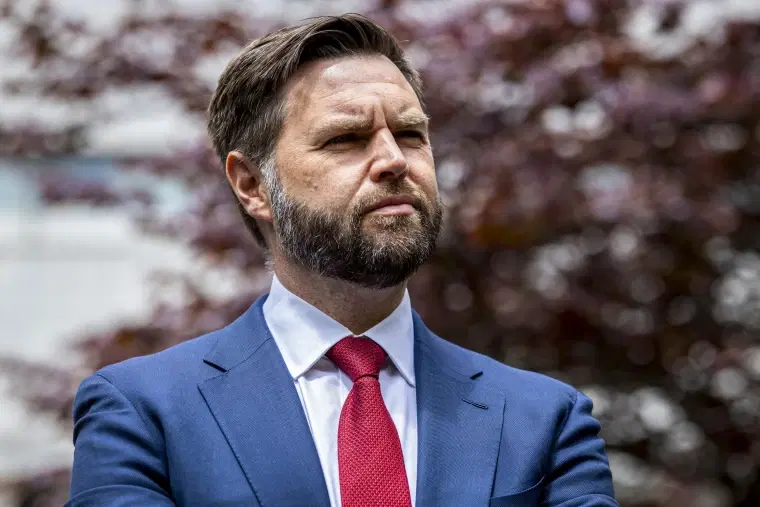
If Iranian funds are ever unfrozen under a deal to end the Middle East war, Washington can ensure that the money does not finance terrorism, US Vice President J.D. Vance said Monday.
"If we ever unfreeze Iranian assets, we can ensure that… Iranian money goes to help the people of Iran and not to fund terrorism," Vance told reporters at Switzerland’s Burgenstock resort, where a first round of talks between Tehran and Washington concluded early Monday.
The talks marked the first stage of a two‑month negotiating period set out under a preliminary deal agreed last week, aimed at ending the war launched by the United States and Israel on February 28.
Among the items agreed in the memorandum of understanding was a US commitment to eventually “terminate all types of sanctions against” Tehran and to “make fully available for use the frozen or restricted funds and assets” of Iran.
Vance suggested that criticism of that portion of the agreement stemmed from “misreporting.”
Iran has been subject to asset freezes and sweeping sanctions by the United States and other Western countries since its 1979 Islamic revolution that toppled the US‑backed Shah, Mohammad Reza Pahlavi.
While no official figure exists for the total amount of frozen Iranian assets, media reports estimate the sum at between $100 billion and $123 billion.
Vance said that U.S. President Donald Trump’s son‑in‑law and senior adviser Jared Kushner, along with Qatar—which mediated the talks together with Pakistan—had devised “a very interesting solution” to ensure those funds were not misused.
"If there is any frozen Iranian assets that are unfrozen, then we have approval over that process; the Qataris have approval over that process," he said.
In essence, he said, they had achieved “a classic Trump deal, where if Iranian assets are ever unfrozen, they’re going to go to make American farmers richer and to feed the Iranian people.”
He called it “great for our people, great for the people of Iran, and fundamentally, again, will contribute to this regional security architecture that we’ve built and that we’re going to work very hard to ensure that it endures.”








 English (US) ·