
.png) 10 hours ago
1
10 hours ago
1
ARTICLE AD BOX
Kuni Tyessi in Abuja
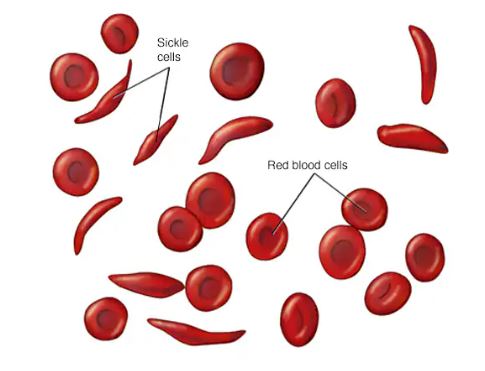
As the world observes World Sickle Cell Day, Nigerian-born sickle cell advocate Kesiena Ikeke has issued a passionate appeal to eliminate stigma, rejection, and systemic neglect faced by patients across West Africa.
In a personal essay titled “Blood, Pain and Belonging: Why It’s Time to Stop Punishing Sickle Cell Warriors,” Ikeke described living with Sickle Cell Anemia as “walking through fire,” citing both severe physical pain and profound emotional trauma.
She noted that growing up in Nigeria, the physical crisis was worsened by ignorance and superstition, underscoring the urgent need for public education, affordable care, and blood donation campaigns to support the estimated millions affected by the condition.
“In many parts of West Africa, the lack of medical education has turned a genetic blood disorder into what many wrongly see as a spiritual curse. As a child, I wasn’t just a patient; I became a target,” she wrote.
Ikeke recounted being labeled “evil,” called a financial burden, and told that she would “not live long” and that she was “possessed” by people close to her. “Those words cut deeper than any crisis ever could,” she said.
The advocate noted that inadequate medical care and forced experimental treatments left her with physical scars, while stigma cost her family relationships, friendships, and romantic connections.
Ikeke said relocating to the United Kingdom exposed her to a different reality where sickle cell is treated as a medical condition deserving dignity and proper management, and she calls on the Nigerian government and other West African countries to follow suit.
“In countries like Nigeria, where infrastructure is lacking, parents are left to shoulder impossible medical bills for things as basic as folic acid or life‑saving blood transfusions. Government must intervene. We need subsidized care and support,” she said.
She also stressed the importance of genotype awareness before marriage, stating that “Love is never enough. If you have the sickle cell trait or are a patient, you must prioritize knowing your genotype before choosing a partner. Do not marry simply because of love and bring a child into this world to go through this lifetime of torture.”
To fellow patients, Ikeke advised self‑discipline, urging carriers to “drink fluids constantly, eat well, rest well, and know your limits.”
“I have been sacked and queried at work for being too sick to go on. But we must keep helping ourselves, even while we demand better from the world.”
“Sickle cell is a blood disease, not a character flaw. It is a medical reality, not a spiritual curse. We do not need false accusations, grim predictions, or rejection. We need blood donations, proper healthcare infrastructure, awareness, love, dignity and respect.”
“My name is Kesiena Ikeke. I was born with Sickle Cell Anemia. I am a survivor. I am a warrior. I am beautiful. I am bold. And today, as we mark World Sickle Cell Day, I proudly join my voice with every warrior still fighting,” she said.







 English (US) ·