
.png) 3 months ago
71
3 months ago
71
ARTICLE AD BOX
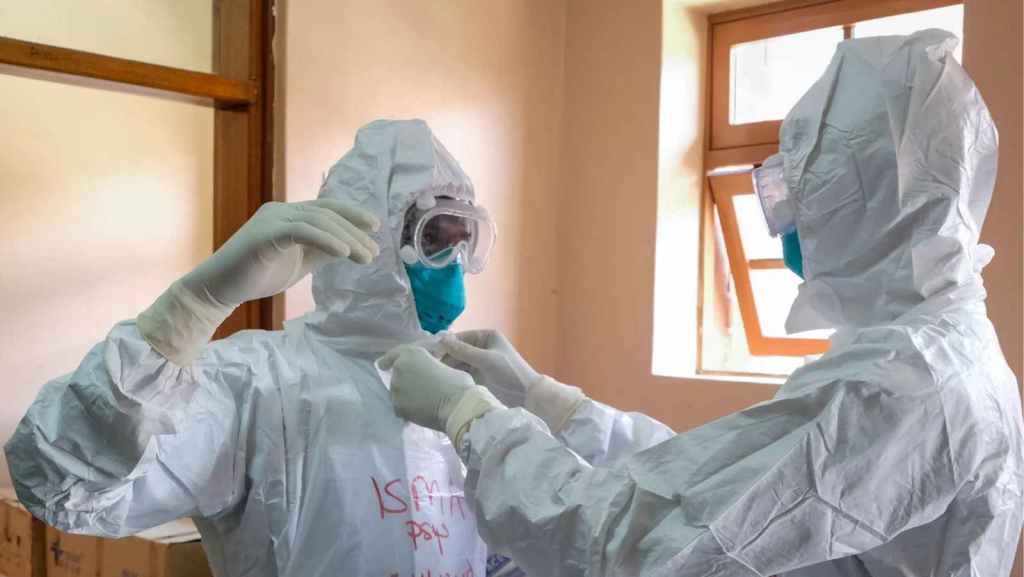
The Nigeria Centre for Disease Control and Prevention (NCDC) has warned that Nigeria faces a high risk of Ebola Virus Disease (EVD) importation. Dr. Jide Idris, the Centre’s Director‑General, made this statement on Sunday, May 24 2026, after a risk assessment prompted by the outbreak in the Democratic Republic of Congo that had killed 88 people and a reported imported case in Uganda. The World Health Organization has declared the outbreak a global public health emergency. Nigeria has no confirmed cases at present, but the NCDC cautions that international travel and cross‑border movement make importation highly likely.
This warning recalls the 2014 outbreak. Nigeria’s first Ebola case occurred on July 20 2014 when Patrick Sawyer, a Liberian‑American diplomat infected with Ebola, arrived at Lagos Airport. He collapsed at the airport, was taken to First Consultant Medical Centre in Obalende, and died five days later. His arrival triggered a chain of infections that affected 19 people, killing seven. Four healthcare workers contracted Ebola while treating Sawyer and died in the line of duty. Dr. Stella Adadevoh, a consultant physician and endocrinologist at First Consultant, prevented a potential catastrophe by refusing to allow Sawyer to discharge himself against medical advice.
Within days of confirmation, the Federal Government declared a national public health emergency and set up an Ebola Emergency Operations Centre headed by Dr. Faisal Shuaib. The government mobilised WHO, CDC, and Médecins Sans Frontières for contact tracing, risk assessment, and clinical care. Hundreds of healthcare workers received training in infection control. Nigeria kept its borders open while intensifying screening at entry points. On October 20 2014, WHO declared Nigeria Ebola‑free after 42 days with no new cases. Nigeria became a global reference point for outbreak containment. Ebola causes fever, severe headache, muscle pain, vomiting, diarrhoea, and internal and external bleeding. The virus attacks the immune system and blood vessels, leading to multi‑organ failure. The case fatality rate ranges from 25 % to 90 % depending on the strain and speed of treatment.
In response to the current threat, the NCDC and Federal Government have activated anticipatory and response measures based on risk assessment. Infection prevention and control protocols in healthcare facilities have been reinforced. Nigerians are urged to practice hand hygiene, avoid contact with sick individuals’ body fluids, and report unusual illnesses promptly. Beyond these measures, sustained surveillance must extend beyond airports to land borders and seaports. Personal protective equipment needs stockpiling, with healthcare workers receiving regular training.
Laboratory capacity for rapid Ebola diagnosis requires strengthening. Community education must be intensified to reduce stigma and encourage early reporting. Permanent emergency operations infrastructure demands investment, not just facilities activated during crises. Epidemic preparedness calls for sustained funding, not reactive emergency allocations. Nigeria’s 2014 victory proved that we can win, but victory requires constant vigilance, not complacency.
The post Keeping Ebola virus at bay appeared first on Vanguard News.


 English (US) ·