
.png) 4 months ago
63
4 months ago
63
ARTICLE AD BOX
The Ogun State Government, together with UNICEF and the Republic of Korea, has finalized plans to launch a statewide zero‑dose vaccination campaign. The campaign will target children who are either unimmunised or under‑immunised in selected communities.
Supported by the ROK‑UNICEF immunisation strengthening programme, the initiative is slated to run from now until December. It aims to boost routine immunisation coverage and reinforce primary healthcare delivery structures throughout the state.
During the orientation meeting on zero‑dose reduction and immunisation strengthening held at Oke‑Mosan on Thursday, Elijah Ogunsola, Executive Secretary of the Ogun State Primary Healthcare Development Board, highlighted the campaign as a key strategy for improving child health outcomes in Ogun State.
Ogunsola thanked development partners, especially UNICEF, for their ongoing support in strengthening immunisation activities across the state. He noted that the campaign will focus on ensuring that children aged zero to 23 months receive life‑saving vaccines.
The outreach programme will be carried out in selected local government areas and underserved communities where immunisation uptake remains low. It will involve coordinated efforts among health workers, development partners and community mobilisers.
Ogunsola stressed the need for commitment from all stakeholders and expressed confidence that the programme will significantly improve the state’s immunisation coverage and reduce the number of zero‑dose children if implemented properly.
Micheal Oyediji, a UNICEF Local Vaccine Consultant, praised health workers and other stakeholders for their dedication to improving immunisation coverage in the state. He described the initiative as vital for strengthening community health systems and expanding vaccine access for vulnerable children.
Oyediji explained that the ROK‑UNICEF project will support selected health facilities in participating wards, integrate regular outreach programmes, and strengthen monitoring systems. The project will also prioritise HPV vaccination, improve cold chain infrastructure, and mobilise communities to ensure no eligible child is left behind.
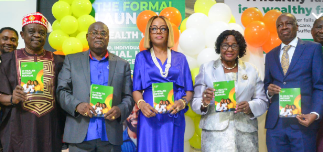
At the launch of the zero‑dose initiative in Lagos, Celine Lafoucriere, UNICEF Chief of Field Office, said the intervention would reinforce Nigeria’s primary healthcare system, support routine immunisation delivery, and rebuild public confidence in healthcare services, especially at the grassroots level.
Lafoucriere added that reaching zero‑dose children remains a national development priority. She noted that healthy children are essential to human capital development, productivity, and social stability, and that the long‑term sustainability of the intervention will be the ultimate measure of its success.
Consul General of the Republic of Korea, Lee Sang Ho, remarked that Nigeria’s high number of unvaccinated children poses a serious threat to global health security, thereby justifying Korea’s investment in the initiative under the Access to COVID‑19 Tools Accelerator framework.
Lee urged mothers, community leaders, and healthcare workers to fully support the campaign, emphasizing that no child should be denied protection against preventable diseases because of distance, ignorance, or socio‑cultural barriers.


 English (US) ·