
.png) 2 hours ago
1
2 hours ago
1
ARTICLE AD BOX
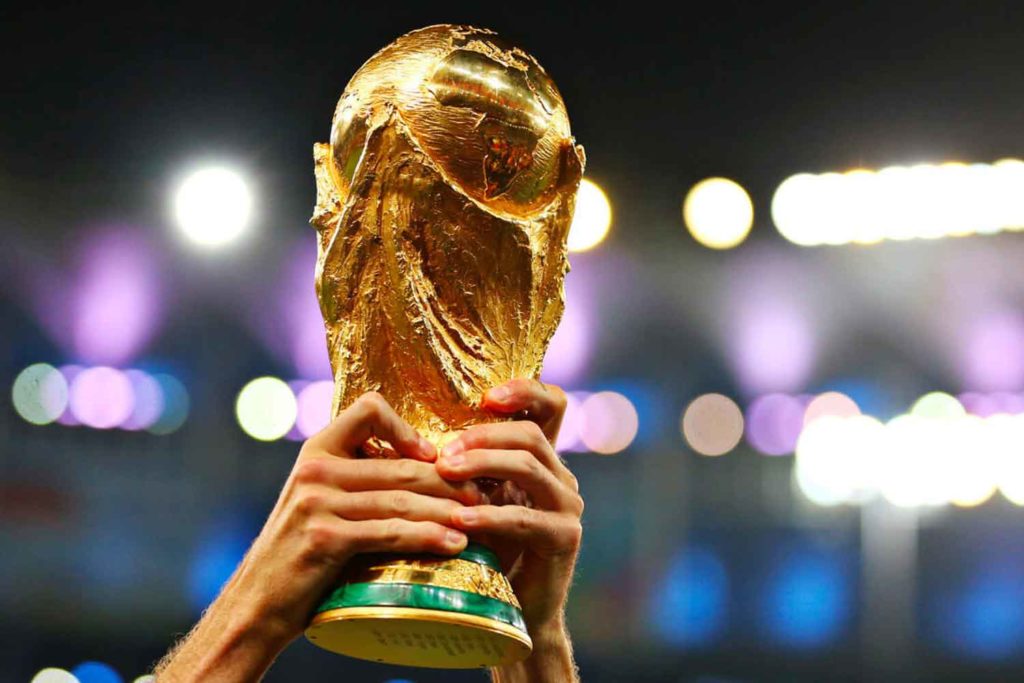
The 2026 FIFA World Cup begins today, Thursday, 11 June 2026, marking football’s grandest stage. This historic tournament, hosted across the United States, Canada, and Mexico, features 48 teams divided into 12 groups (A–L) and 16 host cities that will stage 104 matches.
The opening match will take place at Estadio Azteca in Mexico City between Mexico and South Africa, while the final is scheduled for 19 July at MetLife Stadium in East Rutherford, New Jersey, USA. Group‑stage line‑ups are as follows: Group A – Mexico, South Korea, South Africa, and Czech Republic; Group B – Canada, Switzerland, Qatar, and Bosnia and Herzegovina; Group C – Brazil, Morocco, Scotland, and Haiti; Group D – United States, Australia, Paraguay, and Türkiye; Group E – Germany, Curaçao, Côte d’Ivoire, and Ecuador.
Other groups include: Group F – Netherlands, Japan, Tunisia, and Sweden; Group G – Belgium, Iran, Egypt, and New Zealand; Group H – Spain, Uruguay, Saudi Arabia, and Cape Verde; Group I – France, Senegal, Norway, and Iraq; Group J – Argentina, Austria, Algeria, and Jordan; Group K – Portugal, Colombia, Uzbekistan, and DR Congo; Group L – England, Croatia, Panama, and Ghana.
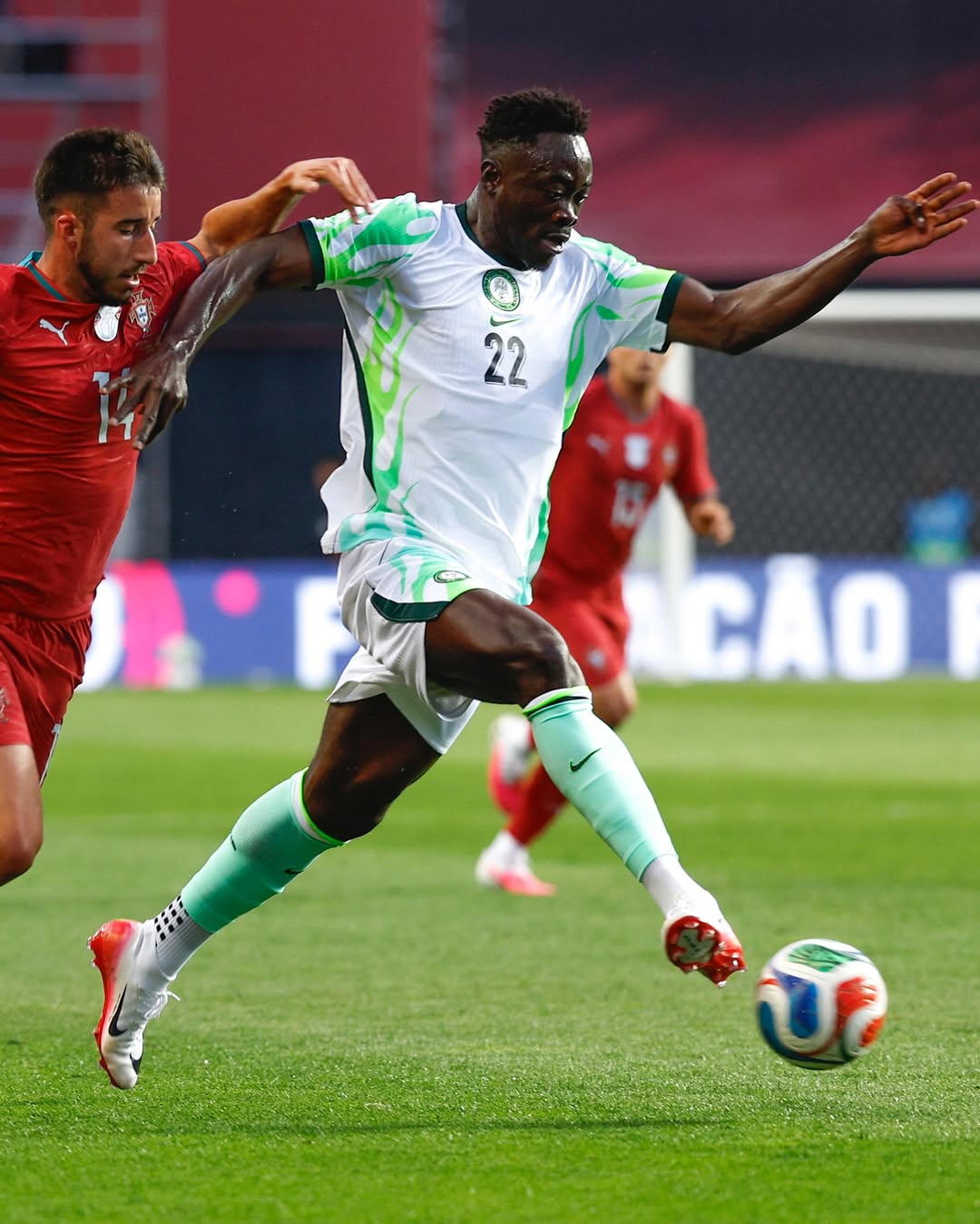
Nigeria failed to build on its perfect start against DR Congo, which won on a penalty shootout in Morocco’s Rabat on 16 November 2025. Despite stars such as Victor Osimhen, Ademola Lookman, and Alex Iwobi, Nigeria did not progress past Africa’s playoff final during the two‑year qualification campaign. The nation’s last appearance was at the 2018 FIFA World Cup in Russia, its sixth and most recent participation.
To elevate Nigeria’s footballing profile, four key interventions are recommended. First, professionalise the NPFL by transforming it into a commercially viable, modern league with stable funding and improved infrastructure. Second, strengthen elite academies by adopting modern training methods, standardising coaching education nationwide, and expanding scouting networks across all states. Third, the NFF should organise regular youth competitions at U13, U15, U17, and U20 levels to develop talent systematically. Fourth, increase local player participation in the Super Eagles squad by prioritising NPFL players who compete fiercely for selection, recognising that football can be a matter of life or death for them.
The golden era under Clemens Westerhof and Bonfrere Jo demonstrated the benefits of blending local and international talent. During that period, home‑grown players such as Peter Rufai, Uche Okafor, Augustine Eguavoen, and Michael Emenalo played alongside international stars Jay‑Jay Okocha, Nwankwo Kanu, Daniel Amokachi, and Rashidi Yekini, producing the best Super Eagles squad ever. Yekini scored Nigeria’s first World Cup goal in 1994, while Okocha and Kanu became global legends under Westerhof’s transformative coaching. Early preparation for the 2030 World Cup, to be hosted by Spain, Portugal, and Morocco, is essential. The NFF must stabilise its administration, implement long‑term planning, and balance local‑international player selection to restore Nigeria’s African dominance.
The post 2026 World Cup without Nigeria appeared first on Vanguard News.



/https%3A%2F%2Fmedia.afrik-foot.com%2Fen-ng%2F2026%2F05%2Fimago1076384452.jpg)


![Peller engaged Jarvis, hints at wedding amid pregnancy rumours [VIDEO]](https://dailypost.ng/wp-content/uploads/2026/06/447497.jpg)
 English (US) ·