
.png) 2 months ago
36
2 months ago
36
ARTICLE AD BOX

Lagos State Commissioner for Health, Prof. Akin Abayomi
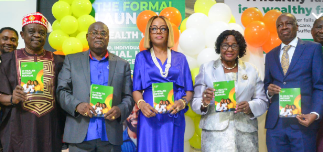
Yesterday, Lagos State Commissioner for Health Prof. Akin Abayomi urged continued investment in primary healthcare (PHC) infrastructure and modernization, emphasizing that PHC is essential for achieving Universal Health Coverage (UHC).
The call came during the IMPACT project review meeting organized by the Lagos State Government together with the National Primary Health Care Development Agency (NPHCDA). The meeting aimed to assess progress and strengthen PHC systems in participating Nigerian states.
Under the theme “Strengthening PHC: A Critical Determinant for Achieving UHC,” the commissioner highlighted that Lagos State has built purpose‑built PHC facilities featuring improved ventilation, solar power, infection‑prevention and control measures, and decentralized isolation units.
He also stressed the importance of sustainable health financing, advocating for the domestication of the National Health Insurance Authority Act, mandatory health insurance schemes, and tighter integration between public and private health providers.
The high‑level session drew representatives from the NPHCDA, the World Bank, the National Malaria Elimination Programme, state ministries of health, state PHC boards, project managers and accountants.
Special Adviser to the Governor on Health Dr. Kemi Ogunyemi reaffirmed the state’s commitment to health sector reforms and UHC. She said, “the IMPACT project has significantly contributed to PHC infrastructure upgrades, improved malaria diagnostics, service integration, accountability and systems strengthening across Lagos state.”
Permanent Secretary of the Lagos State Primary Health Care Board, Dr. Ibrahim Akinwunmi Mustafa, noted that the state has adopted a deliberate political and governance engagement strategy. This involves local government chairmen, the ministry of local government, development partners and technical experts to enhance ownership and financing for PHC.
According to Mustafa, “the engagement process resulted in improved political commitment to PHC financing, enhanced collaboration between state and local governments and the signing of a draft compact aimed at strengthening PHC governance and sustainability.”
Dr. Onoriode Ezire, Team Lead for NPHCDA, explained that the meeting’s purpose was to review PHC upgrade projects across states, evaluate outstanding obligations and timelines, strengthen accountability mechanisms, and promote collaboration between state and local governments for better healthcare delivery.
During the session, participating states presented updates on implementation progress, contractual obligations, outstanding payments and project completion timelines for the immunisation and malaria components of the IMPACT project.
At the conclusion, states were instructed to update implementation trackers, improve accountability and financial reporting mechanisms, strengthen collaboration with local governments, and intensify supportive supervision activities to ensure the sustainability of PHC interventions nationwide.
The programme also included presentations on findings from a large‑scale malaria diagnostic and surveillance study. The study revealed a significantly lower malaria prevalence than previously assumed, underscoring the importance of evidence‑based diagnosis through Rapid Diagnostic Tests (RDTs).










 English (US) ·