
.png) 4 months ago
51
4 months ago
51
ARTICLE AD BOX
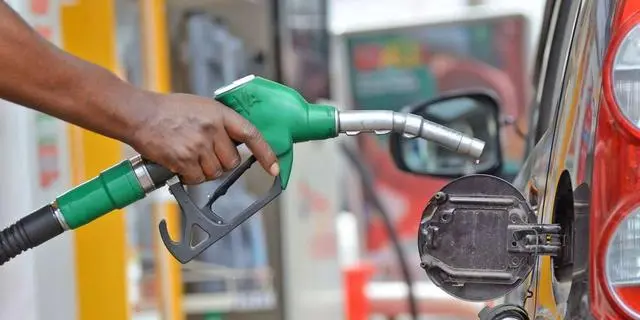
When President Bola Tinubu announced the termination of the fuel subsidy regime in May 2023, Nigerians were asked to endure short‑term hardship in return for a promise that the resulting savings—estimated at several trillion naira annually—would be redirected to healthcare, education, infrastructure and social protection. Nearly three years later, that promise remains unaccounted for, and the silence surrounding it is becoming impossible to ignore.
The case for removing the subsidy was compelling. The scheme had become a patronage machine, draining public funds while benefiting oil importers far more than ordinary Nigerians. Its removal was therefore the right decision. Yet the credibility of any difficult reform rests on what follows. Citizens who bear the cost of a policy change are entitled to see where the gains go.
Instead, they see a government that continues to borrow at a significant scale. Nigeria’s public debt has risen since the subsidy was abolished, with fresh loans regularly approved to finance budgets and manage economic pressures. This is not automatically a contradiction. Fiscal policy operates across multiple accounts, and a government can legitimately save in one area while borrowing to fund capital projects in another.
That distinction holds only if the savings are visible, tracked and reported. Without transparent accounting, the coexistence of rising debt and claimed savings will continue to look, to most Nigerians, like a broken promise. The government has pointed to palliative distributions, wage adjustments and targeted welfare programmes as evidence of reinvestment.
These interventions were short‑term responses to an immediate crisis, not a structured deployment of savings into durable development. A one‑off transport subsidy or a temporary wage award does not constitute a fiscal dividend. What is required is a clear, published breakdown of how much has been saved quarter by quarter since May 2023, and a line‑by‑line account of how those funds have been allocated across the budget. This is not an unreasonable demand; it is standard fiscal practice in countries that take public accountability seriously.
The National Assembly should legislate a mandatory quarterly subsidy‑savings report, independently audited and publicly accessible. The Fiscal Responsibility Commission, which has been for too long a passive institution, must enforce compliance and publish findings without political interference. The wider risk is not merely public frustration. It is the erosion of the social contract that makes difficult reforms possible in the first place.
If Nigerians conclude that sacrifice is demanded of them but gains are withheld or diverted, future government will find it nearly impossible to secure public support for any serious economic adjustment. The subsidy removal was a defining moment. The question it left behind is simple and fair: where did the money go? The government has had three years to answer it. The waiting must end.
The post Whither the fuel subsidy savings? appeared first on Vanguard News.




 English (US) ·