
.png) 2 months ago
36
2 months ago
36
ARTICLE AD BOX
Attention is shifting to the 2026 FIFA World Cup following the conclusion of the 2025/26 European Leagues season.
Countries have submitted their squad lists to FIFA, and the stage is being set for the start of the tournament.
This reminder brings to mind the Super Eagles’ absence from the global football event, evoking memories of disappointment, the pain of missing out, and concerns about economic loss.
We wish for a chance to correct past mistakes, hoping the World Cup would begin with our green and white flag among the footballing greats.
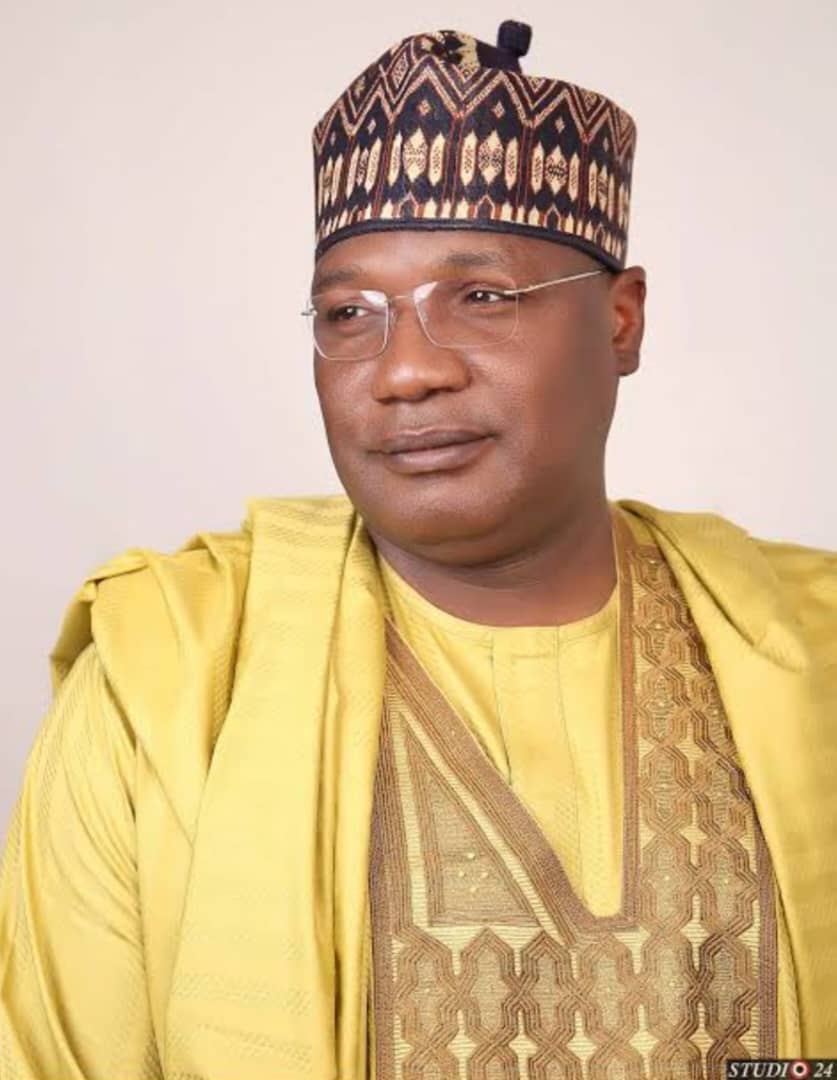 Ahmed Shaibu Gara-Gombe
We hope to see Victor Osimhen among the tournament’s top stars, new talents emerging as surprise performers, and players delivering five‑star displays that capture the spotlight.
Also Read: Gusau: Super Eagles Will Achieve Great Things Under Chelle
We wish for our team to soar in the United States/Canada/Mexico 2026 World Cup, replicating the performance of the 1994 USA squad, which remains a benchmark for Nigerian World Cup appearances.
We wish for Nigeria to lead Africa’s charge in this tournament. Yet these wishes remain unrealized, reflecting the concerns of stakeholders as the World Cup draws near.
Super Eagles World Cup Absence Continues To Hurt Nigerians
The most pressing question is who is responsible for the Super Eagles’ failure to secure a place in the United States/Canada/Mexico football showcase.
Some point fingers at the players’ lackluster performance and unpatriotic conduct, citing demands for bonuses and threats to boycott key matches before the Morocco playoffs. Others blame the leadership of the Nigeria Football Federation (NFF).
Debate Over Responsibility For Nigeria’s Failure
Those who blame the NFF’s president, Alhaji Ibrahim Musa Gusau, argue that he lacks the administrative acumen to secure a World Cup berth for Nigeria. They overlook the collective nature of responsibility and the division of labour within the federation.
Also Read: EXCLUSIVE: Super Eagles Unity Cup Triumph Sweet, But World Cup Absence Still Hurts — Bonfrere
Critics fail to recognise that Gusau is one individual within a larger footballing establishment. They ignore the possibility that he performed his duties well while others in the delivery chain failed to meet their obligations. This could be seen as sabotage, with some believing that Gusau would receive credit for qualification if it occurred, especially given his predecessor’s failure to secure the 2026 World Cup ticket.
Those who oppose Gusau are unaware of the behind‑the‑scenes developments that have shaped the progress of the Gusau‑led board.
Why Gusau Should Not Carry The Blame Alone
As a leader, Gusau accepts responsibility for failures, even when he is not directly at fault. He bears the pressure and criticism to avoid destabilising the federation.
When success occurs, he credits his subordinates, while the same officials who failed to ensure the Super Eagles’ playoff performance often deflect blame from themselves. This behaviour underscores his humility and transparency.
These actions illustrate Gusau’s management style since assuming the presidency of the NFF.
Gusau’s critics, who label him a failure, often overlook his preference for keeping personal matters private and official matters official. Many of these detractors were involved in efforts to undermine his second‑term bid and are linked to interests that have historically conflicted with Nigerian football.
Critics also ignore that, during the qualification period, certain NFF figures pursued CAF committee appointments through contacts associated with former football administrators, undermining the federation’s interests.
These internal adversaries sabotaged the federation’s efforts for personal gain, targeting Gusau. The blame is misplaced.
Challenges Inherited By The Current NFF Leadership
Gusau inherited a flawed foundation. With administrative experience, he sought to avoid alarm and correct anomalies, but lacked time to address foundational issues while focusing on World Cup qualifiers.
Also Read: EXCLUSIVE: Super Eagles Displayed Newfound Seriousness In Unity Cup Triumph — Adepoju
Those who established the problematic foundation remained in positions of authority, limiting Gusau’s options. He chose to work within the system rather than complain.
Policies he inherited, such as the appointment of national team coaches, were effectively landmines that impeded his administration. The backlog of bonuses and allowances owed to the Super Eagles and other national teams also fell under his purview.
FIFA mini‑stadia projects in Warri and Kebbi, initiated before Gusau’s tenure, were not managed by his administration. Contracts had been awarded and funds released prior to his arrival, yet critics unfairly blamed him.
Super Eagles Qualification Problems Predate Gusau’s Tenure
Critics have questioned why the Super Eagles failed to qualify for the 2022 World Cup. Was it under Gusau’s leadership? What about the Golden Eaglets’ performance before his board? How many times had the Flying Eagles appeared in the FIFA U‑20 World Cup before his tenure? What were their results?
Gusau is not the cause of the Super Eagles’ failure to qualify for the 2026 World Cup. Blaming him ignores the broader context and the responsibilities of those who influence the federation’s direction.
By Ahmed Shuiabu Gara-Gombe
/https%3A%2F%2Fmedia.afrik-foot.com%2Fen-ng%2F2026%2F06%2Fimago1077369648.jpg)
 English (US) ·