
.png) 2 months ago
39
2 months ago
39
ARTICLE AD BOX
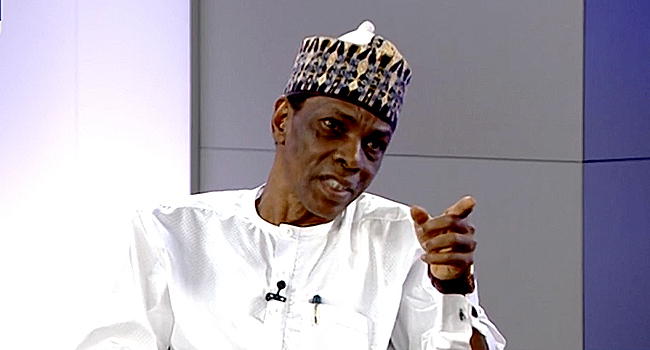
By Musa Ubandawaki, Sokoto
Former Deputy Governor of Sokoto State and former Minister of Water Resources, Muktari Shagari, has urged the National Assembly to approve the creation of state police, warning that Nigeria can no longer afford to postpone this key security reform amid a worsening national security crisis.
In an interview that highlighted the growing debate over state policing, Shagari described the establishment of state police as a necessary step to address banditry, kidnapping, terrorism and other violent crimes that threaten lives and livelihoods across the country.
He argued that the current security architecture has become overstretched, making it increasingly difficult for federal security agencies alone to effectively tackle the complex and evolving challenges facing different parts of Nigeria.
“There has never been a more appropriate time in Nigeria’s history to establish state police than now. Across the country, insecurity has become a major concern despite the efforts of the Federal Government and the security agencies,” he said.
Shagari contended that state police would bring security closer to the people by allowing states to recruit personnel from local communities who possess firsthand knowledge of the terrain, culture, language and security realities of their areas.
He called on members of the National Assembly to rise above political considerations and enact legislation that would strengthen security and protect citizens, stressing that lawmakers have a constitutional responsibility to respond decisively to Nigerians’ concerns.
Addressing fears that governors might misuse state police for political purposes, Shagari said such concerns should not outweigh the urgent need to confront the growing insecurity affecting communities nationwide.
“The bigger question is whether we should continue allowing Nigerians to be kidnapped, killed and terrorised while we focus on fears about what might happen in the future. Safeguards can be built into the law, but the establishment of state police should not be delayed,” he said.
On funding, Shagari acknowledged that some states face financial challenges but maintained that security must remain the foremost responsibility of government at all levels.
He noted that states already commit substantial resources to security-related matters and should be prepared to prioritise funding arrangements that guarantee the safety of citizens and communities.
“Security must be treated as the highest priority of government. If governments can fund other programmes, they can certainly prioritise security because the protection of citizens should come before every other consideration,” he said.
The former deputy governor also advocated a transparent and sustainable funding framework involving both the Federal Government and state governments, suggesting that allocations from the Federation Account could help support salaries, logistics and operational needs of state police formations.
According to him, effective collaboration between federal and state authorities would be crucial to ensuring that state police structures are adequately funded and capable of delivering results.
Shagari dismissed concerns that state police would be unable to confront heavily armed criminal groups, noting that many state governments already support security agencies through the provision of vehicles, communication gadgets and other operational equipment.
“Both federal and state governments must provide adequate funding and modern equipment. At the same time, authorities must intensify efforts to identify and dismantle the networks supplying weapons to criminal groups,” he said.
He added that one of the major advantages of state police would be their ability to identify local informants and collaborators who provide intelligence and logistical support to criminal gangs operating within communities.
On public confidence in law enforcement, Shagari emphasised that recruitment standards, professional training, accountability mechanisms and community engagement would determine the success of any state policing arrangement.
He said officers must be trained to see themselves as protectors of citizens rather than instruments of intimidation, while robust disciplinary measures should be incorporated into the legal framework to address misconduct and abuse of power.
The elder statesman further cautioned governors and political office holders against politicising the proposed security institution, stressing that state police must operate independently and professionally to earn public trust and achieve their objectives.
While acknowledging that state police alone would not solve all of Nigeria’s security challenges, Shagari insisted that it would significantly strengthen the country’s security architecture by complementing the efforts of the military, the police, intelligence agencies, vigilante groups and community-based security structures.
“State police is not a replacement for existing security agencies; it is a complementary structure. Effective security depends on cooperation, intelligence sharing and coordination among all stakeholders. The time for debate is gradually giving way to the time for action. Nigeria cannot afford further delays,” he said.
The post State police now or risk deeper insecurity, Shagari warns NASS appeared first on Vanguard News.






 English (US) ·