
.png) 4 months ago
65
4 months ago
65
ARTICLE AD BOX
Olawale Ajimotokan in Abuja
The Federal Ministry of Environment, together with PROTEGO, unveiled a Policy Brief titled “Policies, Institutional Set‑Up and Financing of Marine Litter Prevention in Nigeria.” The brief forms part of a broader effort to enhance the nation’s response to rising environmental threats from waste pollution in rivers, waterways and coastal areas.
The launch ceremony on Tuesday gathered government officials, environmental specialists, development partners and other stakeholders to outline a pathway for preventing marine litter—especially plastic waste—from entering Nigeria’s rivers and oceans.
The initiative received support from Adelphi, the Nigeria Climate Innovation Centre and WASTE Africa.
Speaking on behalf of Minister of Environment Balarabe Abbas Lawal, Mrs. Omotunde Adeola, Director II of Pollution Control and Environmental Health at the Federal Ministry of Environment, described marine litter as one of the most pressing environmental challenges facing the world today.
She noted that marine litter threatens biodiversity, disrupts ecosystem functions, undermines livelihoods in coastal communities and poses significant risks to public health and economic sustainability.
He said, “As a coastal nation, Nigeria is not exempt from these impacts. Our rivers and waterways often serve as pathways through which waste enters the marine environment. This makes it crucial for us to adopt a comprehensive, coordinated and forward‑looking strategy to address the problem.”
He explained that the newly released policy brief offers an evidence‑based assessment of Nigeria’s existing policies, institutional frameworks and financing mechanisms for marine litter prevention, while identifying gaps and recommending practical steps for improvement.
Lawal highlighted that the Federal Ministry of Environment has long demonstrated commitment to tackling plastic pollution through measures such as the National Policy on Plastic Waste Management, the implementation of Extended Producer Responsibility and participation in the National Plastic Action Partnership, which aims to promote a circular economy.
He emphasized the need for stronger policy coherence and enforcement at all levels of government, improved institutional coordination, sustainable financing mechanisms, better data harmonisation and broader stakeholder participation, particularly from the private sector and local communities.
Speaking to journalists at the event, Mrs. Falmata Bukar‑Kolo, Deputy Director of the Solid Waste Management and Technology Division within the Department of Pollution Control and Environmental Health, said financing remains central to efforts
Related

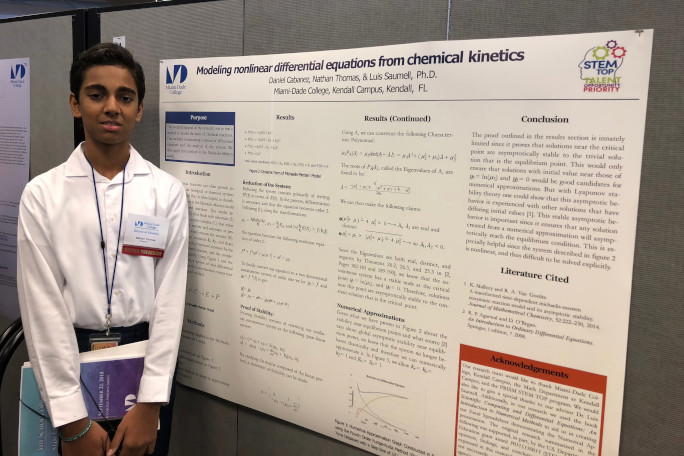
Meet Nathan Thomas, world’s youngest professor at 18


China evacuates 340,000 people as Typhoon Noul approaches
RIGHT SIDEBAR TOP AD
RIGHT SIDEBAR BOTTOM AD
 English (US) ·
 © Nigeria Views & News Update 2026. All rights are reserved