
.png) 4 months ago
67
4 months ago
67
ARTICLE AD BOX
•Says multiple taxation, high energy costs, poor infrastructure hurting growth
By Nnamdi Ojiego
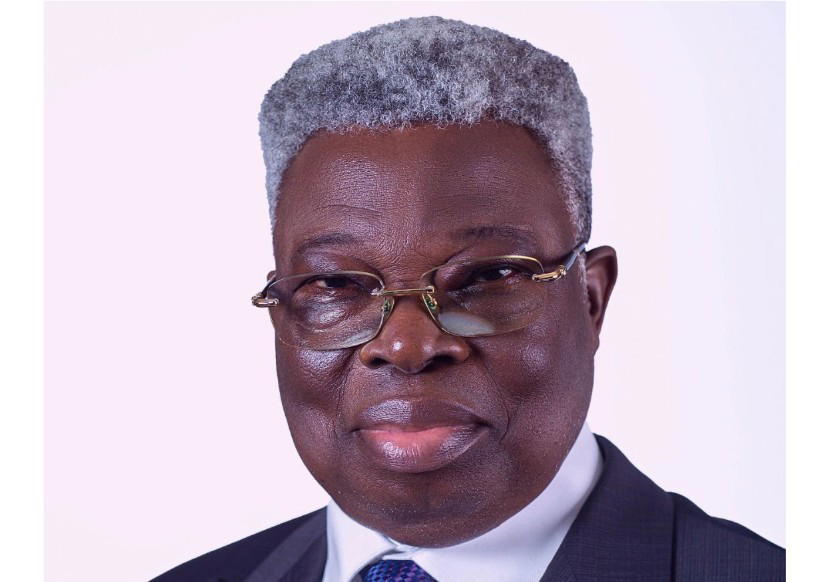
Nigeria’s private sector is experiencing one of its toughest periods in recent memory, as businesses contend with soaring energy prices, weak consumer demand, foreign‑exchange volatility, and limited access to affordable credit. For many, especially small and medium‑sized enterprises, survival has become the immediate focus amid ongoing economic reforms and policy shifts. In this interview, Engr. Leye Kupoluyi, President and Chairman of the Council of the Lagos Chamber of Commerce and Industry (LCCI), discusses the harsh realities facing firms, prospects for recovery, the need for policy consistency, and why infrastructure and energy costs remain major obstacles to growth. He also shares his views on foreign investment, AfCFTA opportunities, youth development, and the private sector’s role in restoring confidence in the Nigerian economy. Excerpts:
You assumed office at a time of significant economic adjustment in Nigeria. How would you describe the current state of the business environment?
The business environment is extremely challenging. Even before the current administration, several factors were threatening, and the government has introduced changes in tax, trade, finance, and regulatory frameworks that are difficult for businesses now but are intended to lay a better foundation for the future. The immediate effects are higher operating costs, weak customer demand, and constrained liquidity. Yet, looking ahead, there is a silver lining at the end of the tunnel.
What are the most pressing concerns your members are raising at this moment?
The cumulative impact of rising energy costs is a primary concern, driven by international dynamics. Additionally, foreign‑exchange costs have shifted sharply, and access to affordable credit is limited, as most banks are tightening lending, especially to SMEs. These factors, along with the overall cost of doing business, pose significant challenges.
So how are small businesses and medium‑sized enterprises coping with these economic pressures, particularly in a commercial hub like Lagos?
It is difficult. Many are turning to technology, working from home where possible to reduce travel costs. Others are scaling down to survive. Most businesses are currently in survival mode; if they cannot survive, they will not benefit from future opportunities.
Do you see any early signs of economic stabilisation?
Signs of stabilisation depend largely on policy consistency. We also need to extend the perceived gains of reforms to small‑scale industries, as SMEs are major employers and GDP contributors worldwide. Retooling and retraining SMEs to adopt digital tools, strengthen local sourcing, and focus on cost management is essential. That is the reality many businesses face today.
What policy adjustments would you recommend to ease the burden on businesses and encourage investment?
First, macro‑economic stability is required so businesses can plan. Fiscal reforms should support the productive sector, especially manufacturing, by improving access to finance. Prioritising export‑oriented businesses will increase foreign‑exchange earnings outside oil and gas, strengthening the economy and creating jobs through production of export goods.
You listed some of the challenges facing businesses earlier. Let’s take energy costs for example. What practical steps should be taken to address power supply issues for businesses?
The solution is straightforward: move toward renewable energy. Nigeria should develop a sustainable policy that encourages local manufacturing of renewable components such as solar panels and batteries, while making the importation of critical parts tariff‑free to reduce costs. Optimising the use of CNG for transportation is also essential; most commercial vehicles should gradually switch to CNG, with infrastructure available nationwide, not just in Lagos, Port Harcourt, Abuja, or Kano. This would lower transportation costs. Additionally, industrial clusters should be developed where power supply is concentrated to support manufacturing, turning power into a production tool rather than merely consumption.
Beyond electricity, which infrastructure gaps most urgently need attention to improve productivity?
Transportation infrastructure is critical. Efficient rail and road networks are needed to move goods and people quickly. Currently, many people wait hours for domestic flights, whereas a modern railway system could transport passengers and cargo faster and more affordably. Road and rail development, alongside expanded CNG infrastructure, must remain top priorities for the government.
Multiple taxation and regulatory bottlenecks are longstanding complaints. Has there been any meaningful progress in addressing these issues?
Yes. The ongoing tax reform initiative led by the Minister of Finance is a positive step, as multiple taxation has long been a major concern. Some businesses face dozens of different taxes and levies, with few paying fewer than 17. The reform effort is important, but the process is still evolving. Continuous review and amendment are necessary to avoid counterproductive provisions. The government’s recognition of the problem and willingness to engage stakeholders is encouraging.
Nigeria is part of the African Continental Free Trade Area. How prepared are Nigerian businesses to compete within this framework?
Nigeria, as the continent’s most populous country, should leverage its strength under AfCFTA. A significant share of African trade should involve Nigerian businesses. However, SMEs must become export‑ready, not only for Africa but globally. LCCI is already running programmes to train and support SMEs so their products meet international standards and can compete in global supermarkets. While financial services and the creative industry are performing well, strengthening manufacturing is the next step to enable Nigerian products to compete across Africa and beyond.
In your view, what is holding back foreign direct investment, and how can Nigeria become more attractive to investors?
Investors are monitoring Nigeria closely. Recent months have shown relative stability in the exchange rate and foreign reserves, which is encouraging. Yet investors still seek assurance that these improvements are sustainable and that policies will remain consistent. At present, many investors are adopting a wait‑and‑see approach. Consistent policy, improved security, and alignment with international best practices will attract more foreign investment. Expressions of interest from several foreign companies are already emerging, signalling optimism.
Which sectors of the economy currently show the most resilience or growth potential?
The ICT sector, especially telecommunications, remains one of the strongest and most resilient. Financial services also perform well. The creative industry and agriculture show strong




 English (US) ·