
.png) 3 months ago
42
3 months ago
42
ARTICLE AD BOX
Introduction
Football (soccer) remains the most popular sport worldwide, with billions of fans across every continent. By 2026, the game has achieved a new level of professionalism, technology integration, and tactical sophistication. From local leagues to international tournaments such as the FIFA World Cup, football continues to dominate global sports culture.
Modern football is no longer defined solely by physical strength or individual skill. It has become a highly strategic, data‑driven sport in which analytics, fitness, and tactical discipline are essential to success.
Evolution of Modern Football
Football has changed dramatically over the past decade. Earlier, the sport relied heavily on traditional formations and individual brilliance. Today, teams deploy advanced tactical systems such as pressing, counter‑pressing, and possession‑based play. Coaches now emphasize structured gameplay, assigning each player a specific role in both attack and defense. Systems like 4‑3‑3, 3‑4‑3, and hybrid formations are commonly used, adapted to the opponent and match situation.
Role of Technology in Football
Technology has made football more accurate and fair. Tools such as VAR (Video Assistant Referee), goal‑line technology, and real‑time performance tracking improve decision‑making on the field.
Clubs employ GPS tracking, AI analytics, and video analysis to monitor player performance. These systems help coaches assess stamina, positioning, passing accuracy, and overall match impact.
Technology also enhances fan engagement through live statistics, instant replays, and interactive broadcasting experiences.
Related: 2026 World Cup: Squad Depth Remains Netherlands’ Biggest Strength –Verbruggen
Tactical Advancements in Modern Football
Modern football tactics are highly sophisticated. Teams now emphasize:
- High pressing to regain possession quickly
- Fast transitions from defense to attack
- Positional play and ball control
- Flexible formations during matches
Midfield control has become one of the most important aspects of the game. Teams that dominate possession often dictate the tempo and outcome of matches.
Physical Fitness and Player Development
Fitness is a core requirement in professional football. Players undergo intense training programs that focus on endurance, speed, agility, and strength.
Nutrition and recovery are equally important. Clubs employ sports scientists and medical teams to keep players in peak condition throughout the season.
Young players are now trained in academies with advanced facilities, ensuring they develop technical and tactical skills from an early age.
Globalization of Football
Football is truly a global sport. Major leagues such as the English Premier League, La Liga, Serie A, and Bundesliga attract international audiences.
Players from diverse countries compete together, making the game more diverse and competitive. International tournaments like the UEFA Champions League and FIFA World Cup unite the world through sport.
Sponsorships, broadcasting rights, and social media have further expanded football’s global reach.
Challenges in Modern Football
Despite its growth, modern football faces several challenges:
- Player workload and injuries due to congested schedules
- Financial inequality between clubs
- Over‑commercialization of the sport
- Maintaining fairness and integrity in competitions
Football governing bodies continually work to balance commercial success with sporting fairness.
Conclusion
Modern football in 2026 is a blend of skill, strategy, technology, and global influence. The game has evolved from simple local matches to a highly professional, data‑driven sport.
With ongoing improvements in tactics, fitness, and technology, football is expected to grow even further in the coming years. Despite challenges, it remains the world’s most loved and watched sport.



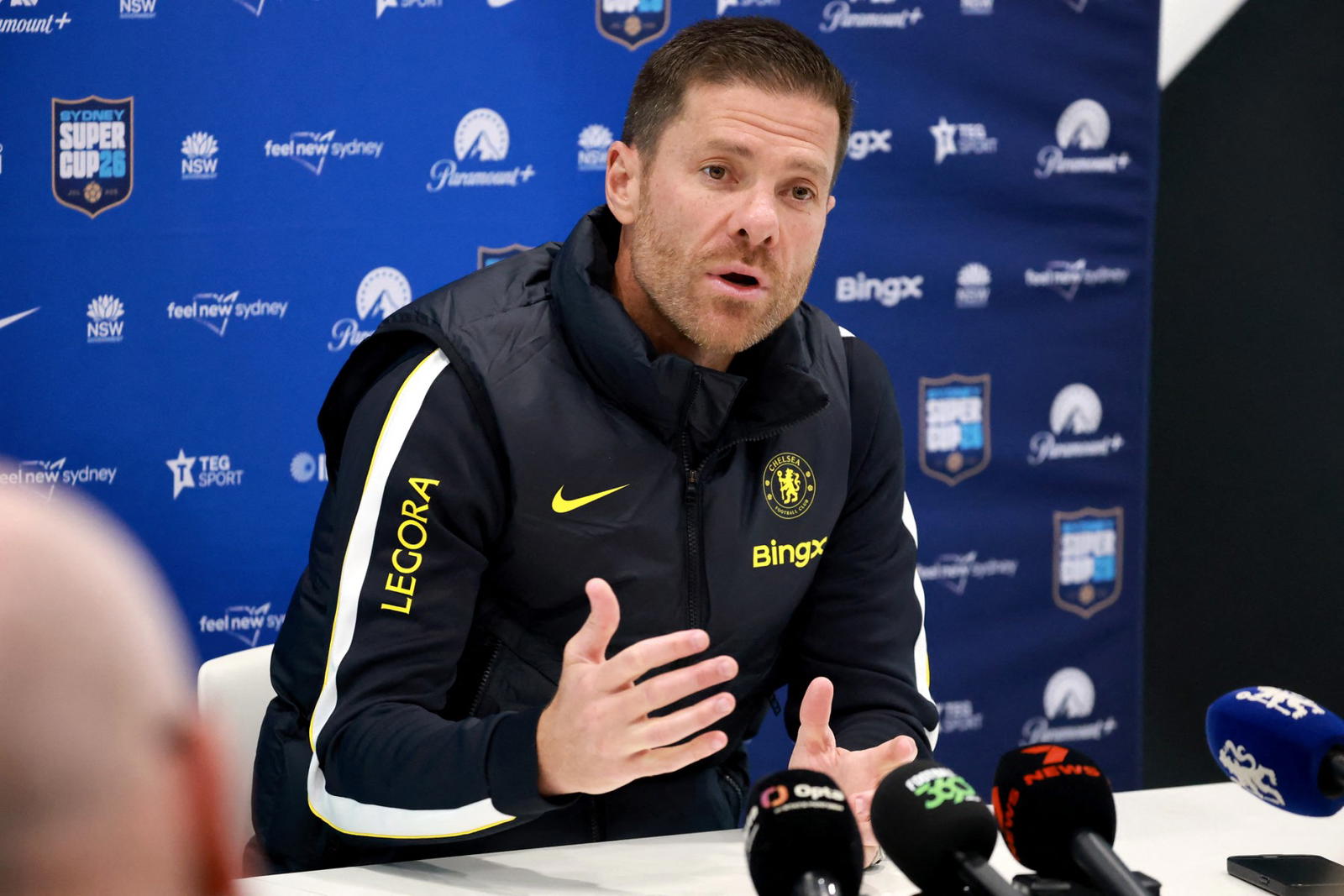
/https%3A%2F%2Fmedia.afrik-foot.com%2Fen-ng%2F2026%2F06%2Fimago1077369648.jpg)
 English (US) ·