
.png) 4 months ago
55
4 months ago
55
ARTICLE AD BOX
• Middle East crisis boosts demand, prices • Meet beneficiaries of subsidy regime • Plans expansion across Africa • We sell stakes to attract investors • We are not overstretching financially • Civil unrest, policy inconsistency, other risks
By Udeme Akpan, Energy Editor
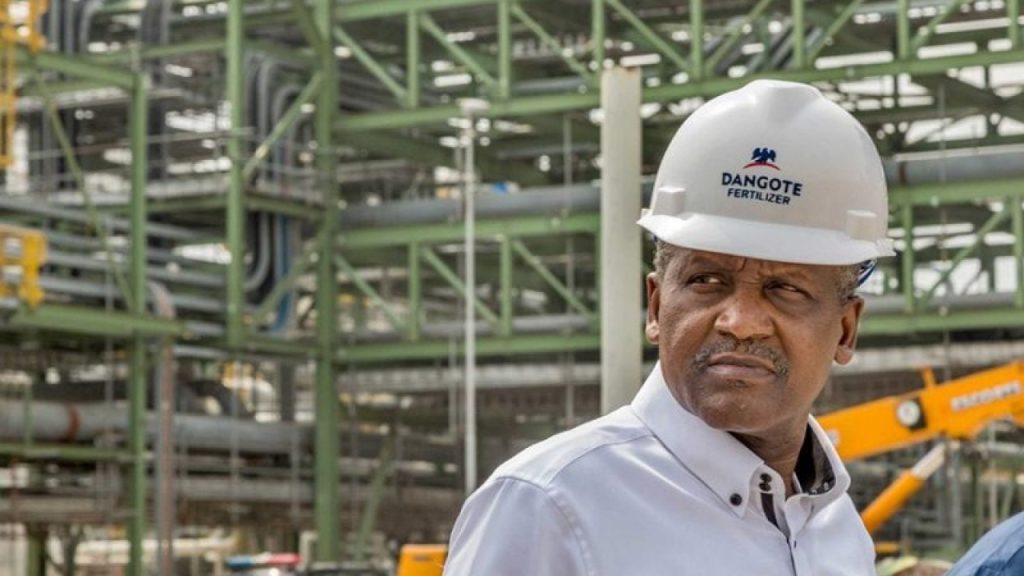
Aliko Dangote, Africa’s richest man and President of the Dangote Group, has claimed that powerful fuel importers worked hard to impede the construction of the $20 billion refinery.
He said the “mafia” feared that the refinery would change the trade patterns that had encouraged large imports of refined petroleum products into Nigeria, even though the country is a major crude oil producer and exporter.
Dangote said he was determined to end the long queues for fuel in Nigeria, noting that Nigerians sometimes spent hours or even days trying to buy petrol at filling stations.
The refinery project, launched in 2013, faced many obstacles, some allegedly created by entrenched interests in the oil sector.
He added that the cost of building critical infrastructure such as a port, heavy‑equipment facilities and a treated‑water plant was enormous.
Despite the challenges, Dangote pushed ahead with the project to strengthen Nigeria’s and, by extension, Africa’s energy security.
Middle East crisis boosts demand, prices
According to Aliko Dangote, the crisis in the Middle East has unexpectedly benefited some of the group’s businesses, especially fertiliser, petrochemicals and aviation fuel. He said fertiliser prices surged sharply following the crisis, noting that urea fertiliser, which sold for about $400 per tonne before the crisis, had risen to about $850 per tonne, while demand had also increased significantly.
Dangote added that polypropylene prices also jumped from about $900 per tonne to nearly $3,000 in the United Kingdom, stressing that local production by the group had helped prevent a shutdown of Nigeria’s plastic manufacturing industry. “If not because of the polypropylene we are producing today, all the plastic industry in Nigeria, which they are very huge, they are almost like number two or number three in terms of employment, they would have shut down because there’s no way you can even get it,” he said.
He disclosed that the group’s aviation fuel business was oversold up to the middle of July despite producing 20 million litres daily.
On crude supply, Dangote said the refinery sources about 56 percent of its crude from Nigeria, while additional volumes come from Angola, Libya and the United States. He noted that at one point the refinery imported between seven and eight cargoes of WTI crude monthly from the US, but now relies more heavily on Nigerian crude. “We have to buy now 21 cargoes every month. That’s how big we are,” he said. He further revealed plans to expand refining capacity to 1.4 million barrels per day within the next 30 months, describing the scale as massive.
Dangote argued that some groups opposed the refinery because they benefitted immensely from Nigeria’s former fuel subsidy system. According to him, Nigeria spent nearly $10 billion annually on subsidy payments, creating opportunities for traders, shippers and fuel importers to make huge profits from importing refined petroleum products into the country. He also alleged that some individuals who received fuel import allocations earned billions of naira and viewed the refinery as a threat to their businesses. “These are the people that are not agreeing for us to settle down because they believe that, no, we are coming here to displace them, of course, that’s what we have done now,” he stated.
Plans expansion across Africa
Dangote said the group is considering building additional refineries across Africa to reduce dependence on fuel supplies from the Middle East. He listed countries such as Uganda, Tanzania, Kenya and Rwanda as potential locations for future investments, adding that a refinery with a capacity of 650,000 barrels per day could serve markets as far as Ethiopia.
The businessman disclosed that the group currently has investment plans





 English (US) ·