
.png) 2 months ago
44
2 months ago
44
ARTICLE AD BOX
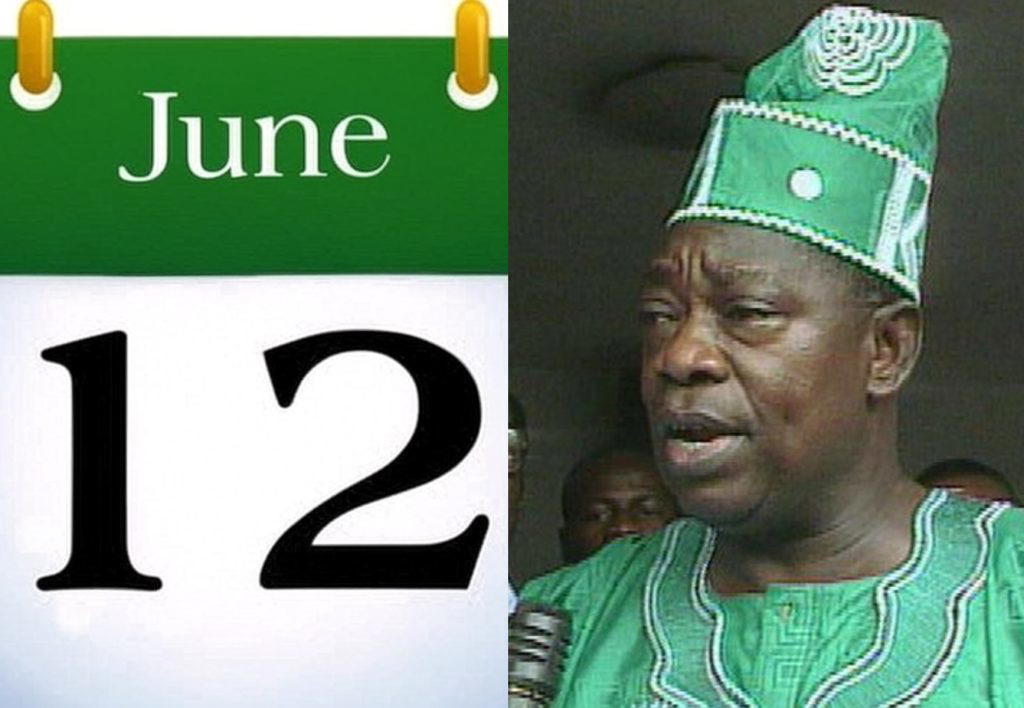
By Dayo Johnson, Rotimi Ojomoyela, Shina Abubakar, James Ogunnike & Adeola Badru
As Nigeria marks another Democracy Day on June 12, thirty-three years after the election, attention once again turns to the South West geopolitical zone, the region that became the epicentre of one of the most defining struggles in the country’s democratic history.
The annulment of the June 12, 1993 presidential election, widely acclaimed to have been won by late business mogul and politician Moshood Kashimawo Olawale (MKO) Abiola, triggered a political resistance movement that reshaped Nigeria’s democratic landscape and cemented the South West’s position as a leading force in the fight for democratic governance.
More than three decades later, political analysts say the region’s journey from the June 12 struggle to its present position offers valuable lessons on resilience, political organisation and democratic development amid economic hardship, religious tensions and ethnic divisions.
From Annulment to Democratic Rebirth
The June 12 election remains one of the most celebrated electoral exercises in Nigeria’s history. The election, conducted under the military administration of Ibrahim Babangida, transcended ethnic and religious boundaries as Nigerians overwhelmingly voted across regional lines.
However, the annulment of the poll sparked widespread outrage, particularly in the South West, where pro-democracy groups, civil society organisations, labour unions, students and political activists mobilised against military rule.
The struggle gave rise to influential democratic movements, including the pro-democracy coalition known as the National Democratic Coalition (NADECO), whose members relentlessly campaigned for the restoration of democracy despite arrests, intimidation and exile.
The resistance eventually contributed to the collapse of prolonged military rule and the return to democratic governance in 1999.
Political historians note that the South West emerged from the June 12 struggle with a strengthened democratic consciousness that continues to influence its political culture.
South West’s Contributions to Democratic Development
Since the return to democracy in 1999, the South West has played a significant role in deepening democratic institutions in Nigeria. The region has consistently produced political leaders, activists, jurists and intellectuals who have championed constitutionalism, electoral reforms and good governance.
States within the region have often pioneered reforms in education, healthcare, local government administration and social welfare programmes, many of which later influenced national policies.
The region’s political actors have also remained active participants in constitutional debates, electoral reforms and discussions surrounding restructuring and federalism.
The Secretary-General of the Ekiti Council of Elders, Segun Ajibulu, argued that the South West’s democratic credentials have been strengthened by a politically conscious electorate that frequently demands accountability from elected officials.
Political Successes and Milestones
According to Ajibulu, “Over the years, the region has recorded several notable political achievements.
“Among them is the successful transition from military resistance to democratic participation, which enabled former activists and pro-democracy advocates to assume leadership positions at both state and national levels.
“The South West has also maintained a strong tradition of political engagement, high voter awareness and vibrant media participation.
“The emergence of influential political blocs from the region has further enhanced its bargaining power within Nigeria’s federal structure.
“Infrastructure development, investments in education, technology initiatives and governance reforms across several South West states have equally been cited as indicators of political stability and administrative innovation.”
Public affairs analyst Dr. Ajayi Bello pointed to the recognition of June 12 as Nigeria’s Democracy Day as a symbolic victory for the region’s decades-long struggle for justice and democratic accountability.
Navigating Economic Pressures
Despite these achievements, Bello noted that the South West has not been immune to economic challenges. The analyst said rapid urbanisation, unemployment, inflation, rising costs of living and infrastructure deficits continue to exert pressure on governments and citizens alike.
Economic migration into major urban centres such as Lagos has created additional challenges relating to housing, transportation and public services.
He argued that while economic difficulties have occasionally generated political tensions, successive administrations in the region have sought to address them through investments in transportation networks, industrial development, agriculture and technology-driven enterprises.
Managing Religious and Ethnic Diversity
The South West is often regarded as one of Nigeria’s most religiously tolerant regions, with Christians, Muslims and traditional worshippers coexisting in many communities. However, political observers acknowledge that religious sentiments have occasionally surfaced during electoral contests and public debates.
In the view of Lanre Ogunsuyi, ethnic politics remains a recurring feature of Nigeria’s political environment, particularly during discussions on resource allocation, federal appointments and constitutional reforms.
Despite these pressures, the region has largely sustained a culture of moderation and political accommodation. Community leaders and traditional institutions have often played stabilising roles by promoting dialogue and peaceful coexistence.
Ogunsuyi argued that the South West’s historical experience during the June 12 struggle helped foster a broader understanding that democratic values must transcend ethnic and religious identities.
Maintaining Political Relevance
One of the most remarkable aspects of the South West’s political evolution has been its ability to remain relevant across different political dispensations.
Whether through opposition politics, coalition-building or participation in ruling parties, the region has consistently influenced national political discourse.
Its political leaders have remained active voices on governance, constitutional reforms, federalism and economic development. The region’s educated population, active civil society organisations and vibrant media environment have also contributed to sustaining its influence within Nigeria’s democratic framework.
Stakeholder Perspectives
Public affairs analyst Bello Ajayi believes the June 12 struggle transformed the South West into a symbol of democratic resistance.
“The South West became the conscience of democratic Nigeria after June 12. The struggle demonstrated that citizens could challenge authoritarian rule and demand accountability. That legacy continues to shape political engagement in the region today.”
Former Ekiti State Commissioner Lanre Ogunsuyi argued that the greatest achievement of the June 12 movement was the institutionalisation of democratic values.
“The struggle was not merely about one election; it was about preserving the sanctity of the ballot and defending the rights of citizens. The South West has continued to champion those ideals through advocacy, governance reforms and civic participation.”
For Segun Ajibulu, the region’s greatest strength lies in its ability to manage diversity.
“The South West has experienced economic difficulties, political disagreements and occasional religious tensions, but our people have consistently embraced dialogue and compromise. That culture has helped preserve stability and political relevance.”
Lessons for Contemporary Politics
Thirty-three years after the June 12 election, the lessons remain relevant. Political analysts say the struggle underscores the importance of credible elections, respect for the rule of law, independent institutions and citizen participation.
The movement also demonstrated that democratic progress requires sacrifice, vigilance and collective action.
While the region continues to grapple with economic pressures, religious differences and ethnic complexities, its commitment to democratic ideals has enabled it to remain a major force in national politics.
As Nigerians commemorate Democracy Day, the legacy of June 12 serves as both a reminder of past sacrifices and a challenge to future generations to protect democratic institutions, uphold justice and strengthen national cohesion.
Reflecting on the South West’s political trajectory since 1993, Deputy National Chairman (South-West) of the Labour Party, Mr Abayomi Arabambi, described the region’s journey as one of transformation from victimhood to political relevance.
According to him, the annulment of the June 12 election plunged the South West into a period of intense political repression.
The region became the stronghold of pro-democracy activism through NADECO, civil society organisations, media advocacy and mass protests against military rule.
“The South West became the target of military repression after June 12. Activists were arrested, many were forced into exile, and Chief Abiola himself died in detention in 1998. Yet the struggle never stopped,” Arabambi said.
The return to democratic governance in 1999 marked a new phase. Political leaders in the region consolidated democratic institutions through the Alliance for Democracy (AD), which controlled most South West states at the dawn of the Fourth Republic.
Successive administrations in Lagos, Osun, Ekiti, Ogun and other states championed issues such as fiscal federalism, judicial independence and local government autonomy, helping to shape national discourse.
Political analysts note that the South West’s influence expanded significantly with the emergence of progressive political platforms that eventually contributed to the formation of the All Progressives Congress (APC) in 2013.
For many observers, the election of President Bola Tinubu in 2023 represents a symbolic culmination of the region’s long political journey from the resistance years of the June 12 struggle to the centre of federal power.
Contributions to Democratic Development
The South West’s contribution to Nigeria’s democracy extends beyond electoral politics. Arabambi points to the region’s role in strengthening democratic institutions through judicial activism, media independence and civil society engagement.
The courts became a major battleground in defending constitutional democracy. Landmark legal confrontations over local government autonomy and federal-state relations helped define Nigeria’s constitutional order.
Similarly, newspapers and media organisations based in the region played pivotal roles during military rule, exposing abuses of power and sustaining public demand for democratic governance.
“The media did not merely report events; they shaped public opinion and held government accountable during some of Nigeria’s darkest moments,” Arabambi noted.
The region also became home to influential civil society movements, including the Campaign for Democracy, NADECO and several human rights organisations that mobilised citizens against authoritarianism.
Traditional institutions equally contributed to democratic stability.
Milestones in Democratic Consolidation
Several milestones stand out in the South West’s democratic journey, including the successful legal defence of local government democracy in the early years of the Fourth Republic.
Another significant development was the establishment of the Western Nigeria Security Network (Amotekun) in 2020.
The creation of the Development Agenda for Western Nigeria (DAWN) Commission in 2013 also demonstrated the region’s commitment to regional integration and long-term development planning.
Observers further cite Lagos State’s transformation into one of Africa’s largest sub-national economies as evidence of effective governance.
The official recognition of June 12 as Democracy Day by former President Muhammadu Buhari in 2018 remains another defining achievement.
Economic Pressures and Political Challenges
Despite these accomplishments, the South West faces significant challenges. Economic hardship remains one of the most pressing concerns, including rising inflation, unemployment and increasing costs of living.
The removal of fuel subsidies and exchange rate adjustments have contributed to rising transportation costs and food prices.
Small businesses continue to struggle with rising operational costs.
Religious and Ethnic Fault Lines
The South West has historically been celebrated as one of Nigeria’s most religiously tolerant regions. However, recent controversies, including debates over the establishment of Sharia courts in some communities, have raised concerns about religious polarisation.
Ethnic tensions also present challenges, particularly recurring herder-farmer conflicts in parts of Oyo, Ogun, Ondo and Ekiti States.
Amotekun: Promise and Limitations
Public affairs analyst Mr Ola Animasaun acknowledged the significance of Amotekun but argued that the security outfit has yet to fully achieve its objectives.
“The concept is laudable and necessary, but its effectiveness has been limited by operational challenges, inadequate logistics and insufficient equipment,” he said.
Navigating Crisis Through Resilience
One of the South West’s defining characteristics has been its ability to manage crises without descending into prolonged instability.
The South West Governors’ Forum has often provided a platform for collaboration on security and development issues.
Underlying these efforts is the Yoruba concept of Omoluabi, a cultural philosophy emphasising integrity, responsibility and communal values.
Lessons from June 12
The June 12 struggle offered enduring lessons: credible elections, citizen participation, institutional strength and national unity beyond ethnic divides.
Thirty-three years after the annulled election, the South West remains central to Nigeria’s democratic evolution.
The post June 12: South-West’s democratic journey, gains and challenges appeared first on Vanguard News.





 English (US) ·