
.png) 3 months ago
58
3 months ago
58
ARTICLE AD BOX
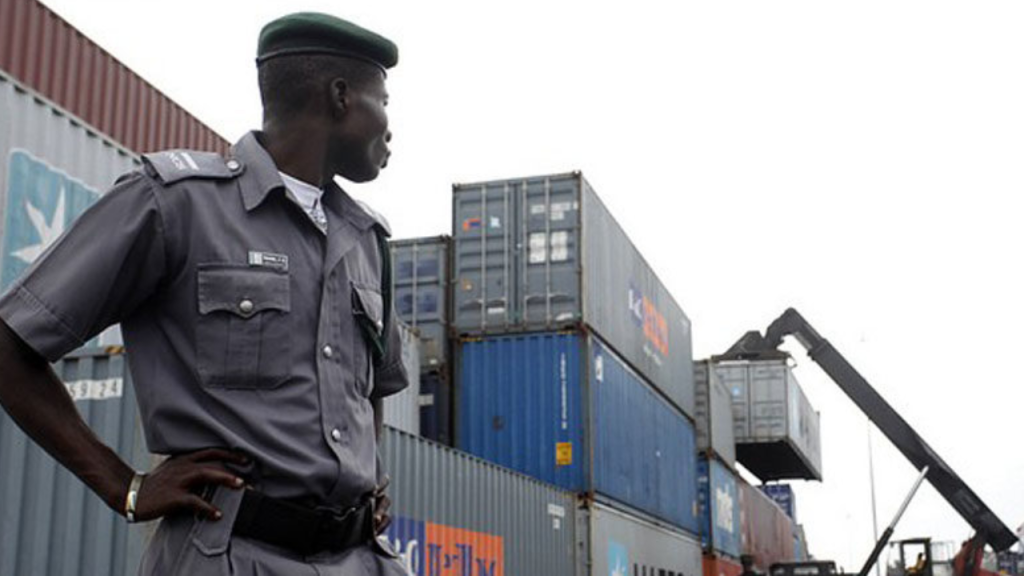
Clearing a 20‑foot container at Cotonou ports in Benin Republic costs N7–8 million, compared with N14–15 million in Nigeria. A 40‑foot container costs N13–14 million in Benin versus N19–20 million, and can reach N25 million in Nigeria’s former bonded terminals. Importers therefore save N3–4 million per box by routing through Cotonou.
This N18 million gap highlights a crisis that is eroding Nigeria’s manufacturing base, especially since many containers carry raw imported materials. The differential has four major consequences. First, Nigerian manufacturers face high input costs, making finished goods less competitive against regional rivals who import cheaper. Second, cash flow is strangled as capital remains tied up in stranded cargo for weeks.
Government revenue also suffers, as trade diversion sends billions in duties and taxes to Cotonou instead of Apapa. Foreign direct investment retreats, with investors viewing Nigeria’s port inefficiency as an unacceptable risk premium that undermines supply chains. The cost differential also fuels smuggling; when legitimate clearance costs double, traders turn to the Benin corridor, paying informal fees to move goods under the radar into Nigeria. Smuggled goods bypass customs duties entirely, depriving the Nigerian treasury of billions annually while undercutting honest importers who pay full levies.
The reforms championed by Customs Comptroller General Bashir Adeniyi—dedicated export terminals handling 80 percent of exports, barge operations that bypass gate delays, Advance Ruling systems that prevent classification disputes, and the Authorised Economic Operator programme—remain insufficient to ease the burden. Apapa Customs has deployed 200‑container‑per‑hour scanners to accelerate clearance, yet stakeholders such as the Importers Association of Nigeria (IMAN) still complain because the fundamental cost structure has not changed.
The reforms address symptoms, not the underlying problem. Multiple checkpoints, proliferated levies, and systemic corruption at corridors outside port walls continue to inflate costs. Demurrage fees alone reach N68,500 daily for 40‑foot containers, and storage costs rise when trucks wait days for gate access. Nigeria’s clearance costs are 179 percent higher than those of neighbouring ports, with total costs ranging from $2,500 to $5,000 per TEU versus Benin’s $600 to $1,200.
Three reforms could restore competitiveness. Customs must consolidate all port charges into a single transparent fee structure, eliminating the more than 15 agencies that demand separate payments. It must dismantle all checkpoints between ports and industrial corridors, replacing manual inspections with integrated digital clearance systems that track containers end‑to‑end without physical interference. The port‑to‑rail transition should be completed, shifting 60 percent of container movement to the Apapa‑Oshogbo railway within 18 months, removing trucks from congested roads and slashing demurrage costs.
Nigeria cannot remain West Africa’s economic giant while its ports function as liabilities rather than gateways. Benin’s efficiency proves that competitive port operations are achievable with political will. Until Nigerian authorities prioritise trade facilitation over revenue extraction, importers will keep choosing Cotonou, smuggling will flourish, and economic loss will continue.
The post Making Nigerian ports competitive appeared first on Vanguard News.






 English (US) ·