
.png) 3 weeks ago
18
3 weeks ago
18
ARTICLE AD BOX
Project Breathe Clean Air Abuja is proving that access to clean cooking energy can do far more than replace traditional fuels as it can improve public health, protect the environment and transform lives. Through a partnership between the Federal Capital Territory Administration (FCTA) and IHS Nigeria, the initiative has provided 10,000 households with LPG cylinders while generating scientific evidence that cleaner cooking significantly improves indoor air quality and reduces exposure to harmful pollutants, particularly among women and children. Chiemelie Ezeobi reports
For thousands of families across the Federal Capital Territory (FCT), cooking no longer has to come with clouds of smoke, burning eyes and the hidden danger of respiratory disease. Through Project Breathe Clean Air Abuja (PBCAA), the Federal Capital Territory Administration (FCTA), with the support of IHS Nigeria, is demonstrating that access to clean cooking energy can significantly improve household health while contributing to environmental sustainability.
The initiative, which culminated in the distribution of 10,000 Liquefied Petroleum Gas (LPG) cylinders and refill vouchers to households across 18 communities in the six Area Councils of the FCT, has gone beyond simply replacing traditional cooking fuels.
Evidence from its monitoring and evaluation exercise now shows measurable improvements in indoor air quality, providing local proof that cleaner cooking methods can reduce harmful pollution and improve public health.
A Response to a Silent Public Health Threat
Indoor air pollution remains one of the least recognised public health challenges in many Nigerian homes, where firewood, charcoal and kerosene continue to be the primary cooking fuels.
While these energy sources are affordable and readily available, prolonged exposure to the smoke they generate has been linked to respiratory infections, asthma, chronic lung diseases and even certain cancers.
The project was conceived to tackle this growing concern by encouraging households to transition from biomass fuels to LPG, a cleaner and more environmentally friendly alternative.
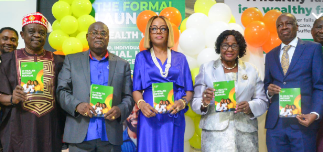
Speaking at the grand finale held at Bwari Mini Stadium on July 2, 2026, the Honourable Minister of State for the FCT, Dr. Mariya Mahmud, represented by Hajiya Maijida Adamu Kuku, said the initiative was designed to reduce respiratory diseases associated with indoor air pollution.
She noted that women and children bear the greatest burden of exposure to smoke from traditional cooking methods and explained that wider adoption of LPG would not only improve public health but also protect the environment and contribute to climate change mitigation.
From Distribution to Lasting Behavioural Change
Unlike many intervention programmes that end with the distribution of equipment, Project Breathe Clean Air Abuja placed equal emphasis on education, community engagement and long-term sustainability.
According to the Mandate Secretary of the FCT Health Services and Environment Secretariat, Dr. Adedolapo Fasawe, the project, launched in November 2025 with sponsorship from IHS Nigeria, reached 10,000 households spread across 18 communities in the six Area Councils.
She explained that the intervention was prompted by increasing cases of respiratory tract infections among women and respiratory allergies in children linked to prolonged exposure to smoke from firewood, charcoal and kerosene.
To ensure safe adoption of LPG, sustainability teams from the FCTA and IHS Nigeria carried out advocacy visits to traditional rulers and community leaders while also conducting awareness campaigns on the safe use of cooking gas.
The programme also incorporated monitoring and evaluation exercises to determine whether the transition to LPG was making a measurable difference in household health and air quality.
Scientific Evidence Behind the Success
One of the defining features of the initiative was its reliance on scientific evidence rather than assumptions.
Using handheld air quality monitoring sensors, officials assessed 30 households in Kurudu and Pyakasa communities within Abuja Municipal Area Council (AMAC).
The devices measured concentrations of fine particulate matter, specifically PM2.5 and PM10, before and after beneficiaries switched from biomass fuels to LPG. The baseline findings painted a worrying picture.
Homes that relied on firewood and charcoal recorded PM2.5 levels that exceeded the World Health Organization’s recommended limits, exposing women and children to dangerous pollutants known to increase the risk of respiratory illnesses.
However, follow-up assessments after households adopted LPG recorded significant improvements in indoor air quality.
The findings confirmed that clean cooking energy substantially reduces exposure to harmful pollutants, improves respiratory health and lowers the likelihood of developing chronic diseases associated with prolonged smoke inhalation.
Dr. Fasawe said the data generated by the project would provide valuable local evidence to guide future policies on clean energy, environmental management and public health.
She also disclosed that two outdoor air quality monitoring sensors had been procured for installation across the FCT to provide real-time environmental data for better public health decision-making.
Partnership Driving Sustainable Development
For IHS Nigeria, the project represents more than corporate social responsibility. It reflects the company’s broader sustainability agenda focused on environmental protection and community well-being.
Representing the Executive Vice President and Chief Executive Officer of IHS Nigeria Limited, Mr. Mohamed Darwish, the company’s Senior Vice President and Chief Corporate Services Officer, Mr. Dapo Otunla, said the successful completion of the initiative reaffirmed IHS Nigeria’s commitment to creating lasting social impact.
“At IHS Nigeria, sustainability is embedded in how we think, how we operate, and how we create long-term value. Our approach is guided by four sustainability pillars that define our priorities and impact areas. This initiative directly aligns with two of those pillars: Environment and Climate Change and People and Communities,” he said.
According to him, replacing firewood and charcoal with LPG contributes to reduced carbon emissions, cleaner air and less pressure on forests, while simultaneously improving the quality of life of beneficiaries by reducing exposure to indoor air pollution and enhancing safety and dignity, particularly for women and children.
Health Experts See Long-Term Benefits
Medical experts believe the benefits of the project extend beyond cleaner kitchens.
Consultant Clinical and Radiation Oncologist at the National Hospital Abuja, Dr. Ayuba Hannatu Usman, described the initiative as a life-changing intervention capable of reducing the burden of lung cancer and other respiratory diseases.
She stressed that preventing disease through cleaner household energy is far more affordable than treating advanced illnesses and urged governments, development organisations and private companies to replicate similar interventions across the country.
Her comments reinforce growing evidence that environmental health interventions can significantly reduce healthcare costs while improving quality of life.
Building Healthier Communities Beyond Cooking
The initiative also recognised that environmental health awareness should begin early.
As part of the project, pupils and students in primary, secondary and tertiary institutions received Project Breathe Clean Air Abuja branded educational materials aimed at promoting environmental consciousness and healthy living. Pregnant women also received baby care kits in support of maternal and child health.
The grand finale attracted representatives from government, corporate organisations and traditional institutions, including representatives of the Bwari and AMAC Chairmen, the Head of Service of the FCTA, the Director General of the Maryam Babangida Women Development Centre, the Area Commander and the Etsu Bwari, HRH Dr. Ibrahim Yaro, among other dignitaries.
Beyond the distribution of LPG cylinders, Project Breathe Clean Air Abuja has demonstrated that carefully designed, community-based interventions backed by scientific evidence can improve household air quality, protect vulnerable populations and support environmental sustainability.
As Nigeria continues to seek practical solutions to public health and climate challenges, the initiative offers a scalable model capable of transforming lives—one household at a time.


 English (US) ·