
.png) 3 months ago
51
3 months ago
51
ARTICLE AD BOX
– As stakeholders seek subsidy on drugs
Onyebuchi Ezigbo in Abuja
The federal government has introduced new policies and guidelines aimed at the early detection, management, and prevention of hypertension among citizens.
Given the high incidence of sudden deaths caused by hypertension in the country, stakeholders involved in non‑communicable disease (NCD) programmes have called for free medication for patients with hypertension.
Dr. Malau M. Toma, Head of Cardiovascular Diseases and Tobacco Control in the Division of Non‑Communicable Diseases at the Department of Public Health, Federal Ministry of Health and Social Welfare, explained that the policy will strengthen primary healthcare facilities to provide first‑line care for diagnosing and managing mild hypertension cases.
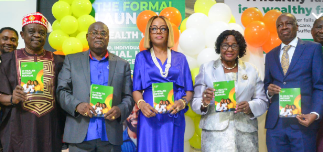
He made the statement on Friday during a Public Awareness Road Walk marking 2026 World Hypertension Day in Abuja.
Dr. Toma, who led the exercise, noted that this year’s theme, “Controlling Hypertension Together: Check your blood pressure regularly, defeat the silent killer,” is timely. He emphasized that controlling hypertension requires regular checks and consistent medication for those prescribed drugs by health workers.
“Hypertension, sometimes called high blood pressure, is sustained elevated blood pressure and it’s a silent killer that causes serious complications,” he said.
“The best way to prevent it is to be armed with adequate knowledge and to ensure blood pressure is controlled through screening.”
He added that untreated hypertension can lead to complications such as stroke, heart disease, kidney failure, and blindness, urging patients on medication to take it consistently and adhere to their treatment plans to avoid these outcomes.
He called on the media and other stakeholders to intensify awareness campaigns that address myths and misconceptions about hypertension.
The physician advised people to engage in regular physical activity, avoid unhealthy diets, tobacco, and nicotine products; eat fruits; and reduce fats and oil intake for a healthy lifestyle.
Dr. Suleiman Lamorde, Head of Non‑Communicable Diseases at the National Primary Healthcare Development Agency, also spoke, reaffirming that hypertension is a growing epidemic worldwide and that controlling it will improve many people’s health.
He said the government and its development partners have now brought the fight against the disease to the doorsteps of almost all Nigerians by ensuring that primary healthcare centres across the country are fully equipped to manage uncomplicated hypertension.
He added that intensive sensitisation is being carried out for both health workers and communities at the grassroots level.
Dr. Lamorde acknowledged the World Bank’s support in revitalising some primary healthcare centres and noted that there are over 9,000 facilities nationwide, meaning every ward has a comprehensive functional PHC. He urged people to visit their nearest primary healthcare facility for checks whenever they feel unwell and to check their blood pressure at least once a month, starting at age 18 for adults.
“A simple BP check is something almost everyone can do, especially those over 50 or with a family history of hypertension,” he said. “They should check their blood pressure at least once a week. Even if you don’t have equipment at home, you can go to a facility; it is free.”
Ademuyiwa Damilola, Director of Programs at the Legislative Initiative for Sustainable Development (LISDEL), and Dr. Onyekachukwu Osabiku, Senior Technical Advisor for Hypertension Control Resolve To Save Lives (RTSL), spoke on behalf of other development partners. They said the government is doing well in reducing the impact of hypertension and other NCDs.
They urged for more commitments in terms of adequate funding and the creation of programmes for hypertension and other NCDs, similar to those for HIV/AIDS and malaria.
The partners pledged their continued unwavering support to the government in reducing the scourge of hypertension and other NCDs in Nigeria, adding that their support also extends to patient communities by linking them to facilities and ensuring their voices are heard.
Osabiku said his group is currently partnering with the Nigerian government to provide services across two states, Kano and Ogun.
He added that the organisation is collaborating with the National Primary Health Care Development Agency and the states’ Ministries of Health to implement the Nigeria Hypertension Control Initiative, expressing readiness to expand the initiative to more states.


 English (US) ·