
.png) 4 months ago
83
4 months ago
83
ARTICLE AD BOX
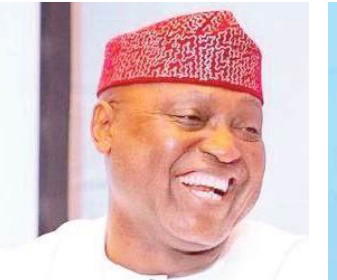
By Omooba Alabi
Ekiti State is set to hold its gubernatorial election on 20 June 2026, a date that will decide who will occupy the official residence of the governor, Oke Ayoba. The race currently features thirteen candidates. The leading three are the incumbent, His Excellency Biodun Abayomi Oyebanji (BAO), the current governor since 16 October 2022; Dr. Wole Oluyede of the Peoples Democratic Party (PDP); and Ambassador Dare Bejide of the African Democratic Congress (ADC). BAO, elected on the All Progressives Congress (APC) platform, is seeking a second four‑year term.
The election could produce several firsts. BAO’s 2022 victory gave the APC its first back‑to‑back win in Ekiti, a milestone not yet achieved by any party in the state. Previous governors—John Kayode Fayemi, Niyi Adebayo, and Ayo Fayose—failed to secure consecutive terms. If BAO wins again, he would be the first governor to serve back‑to‑back terms in Ekiti.
Only two of the remaining candidates appear serious: Dr. Wole Oluyede and Dare Bejide. Oluyede, who became the PDP flag‑bearer in November last year, has faced internal opposition and legal challenges that delayed his inclusion on the official INEC list. He has never held public office and is relatively unknown outside his party. Nonetheless, he promises to “reclaim the glory of Ekiti” through inclusivity, transparency, economic reforms to boost internal revenue, and infrastructure improvements.
Ambassador Bejide, a former Nigerian ambassador to Canada and former Secretary to the Ekiti State Government, pledges to improve living conditions by addressing unemployment, unreliable power supply, and infrastructure gaps. Both candidates hail from the Ekiti South Senatorial District—Oluyede from Ikere Ekiti and Bejide from Ilawe Ekiti—yet the electorate is expected to prioritize competence over regional affiliation.
BAO’s incumbency offers him a strong platform. He highlights his administration’s “Shared Prosperity” roadmap, built on six strategic pillars. Under his leadership, Ekiti has seen infrastructural and economic transformation, including the completion of the Ekiti Cargo Airport, the Second Ado‑Ekiti flyover, and the ongoing construction of the Ado‑Ekiti Central Business District and ring road. He also reports significant progress in education and health, with renovated hospitals and expanded tertiary facilities.
The governor has also focused on public service welfare, adopting the current minimum wage of seventy thousand Naira and boosting loan facilities. He has employed nearly 10,000 new civil service and teaching staff, the highest figure since state creation in 1996. Pensioners have received consistent payments of monthly pensions and gratuity arrears.
BAO enjoys broad support across political lines. Former governors—Niyi Adebayo, Kayode Fayemi, Ayo Fayose, and Segun Oni—back him. He also benefits from the endorsement of the body of elders who fought for state creation, as well as a wide range of civil society groups, alumni, and community leaders. Over one hundred independent groups have publicly pledged their support for his re‑election.
The choice for voters on 20 June is between continuity and change: a proven track record and widespread support versus new candidates offering fresh promises. The decision will shape Ekiti’s future direction.
•Alabi writes from Osi Ekiti.
The post Ekiti 2026: To BAO or not? appeared first on Vanguard News.






 English (US) ·