
.png) 16 hours ago
2
16 hours ago
2
ARTICLE AD BOX
Goodness Anunobi
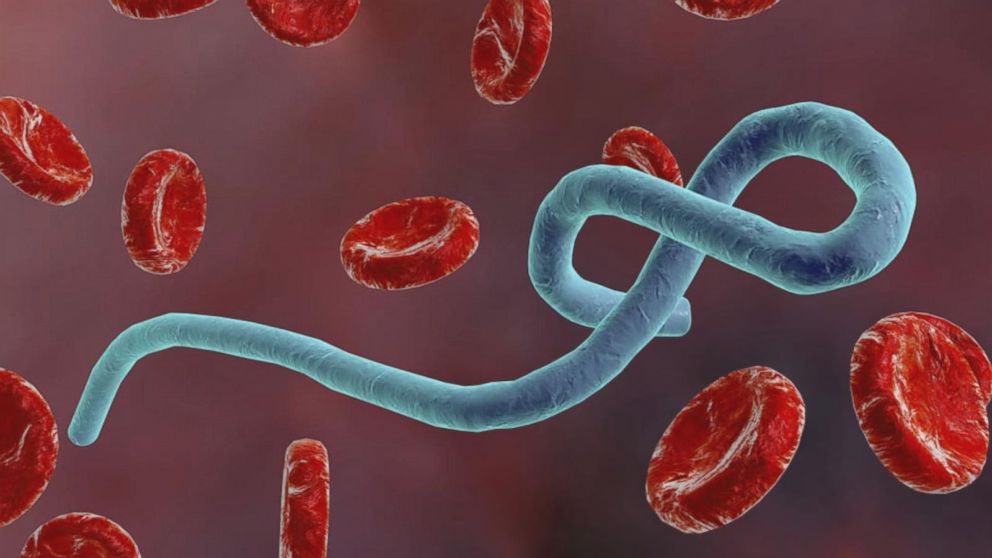
The Ebola outbreak in the Democratic Republic of Congo and Uganda has grown, with total confirmed cases now at 894 and deaths at 204.
These figures were released during a webinar in which Wessam Mankoula, Acting Head of Emergency Preparedness and Response at the Africa Centre for Disease Control and Preparedness, reported that 74 patients have recovered since the outbreak was officially declared on May 15.
Mankoula said Uganda’s situation remains relatively contained, with 19 confirmed cases and two deaths, a fatality rate of 10.5 %. Seven patients have recovered, and all known contacts have been fully listed within a single affected health zone in Kampala.
The bulk of the caseload comes from the Democratic Republic of Congo, where Ituri Province is the main hotspot. The province has reported 91 confirmed cases and accounts for nearly 78 % of all deaths in the country.
Mankoula expressed growing concern over insecurity in North Kivu, where limited access for health responders has widened surveillance gaps, reduced contact tracing, and contributed to a higher fatality rate.
The outbreak now spans 32 health zones across both countries, expanding from just a few zones in the early stages to 11 by late May and 32 by the fourth week of reporting.
Case numbers have risen by 38 % in the latest reporting period, although the geographic spread remains concentrated within the original three provinces. Contact tracing continues to fall far below required levels.
For more than 800 confirmed cases, between 17,000 and 35,000 contacts should typically be identified and monitored daily. Only about 6,000 contacts have been listed, roughly 20 % of the expected total. Of those, around 4,000 are being actively followed, which is still less than 15 % of the monitoring capacity needed to quickly detect new infections.
Mankoula emphasized that, in the absence of approved vaccines or treatments for the Sudan strain, containment relies heavily on early detection, thorough contact tracing, and consistent community-level monitoring.
He also raised concerns about safe burial operations, noting major shortfalls in response capacity. Only seven of the required 49 burial teams are currently active, along with seven of 98 necessary vehicles and just 84 of the 540 personnel needed on the ground.
The Africa CDC declared the outbreak a public health emergency of continental concern on May 18, just days after confirmation of the spread across the region.











 English (US) ·