
.png) 2 hours ago
2
2 hours ago
2
ARTICLE AD BOX
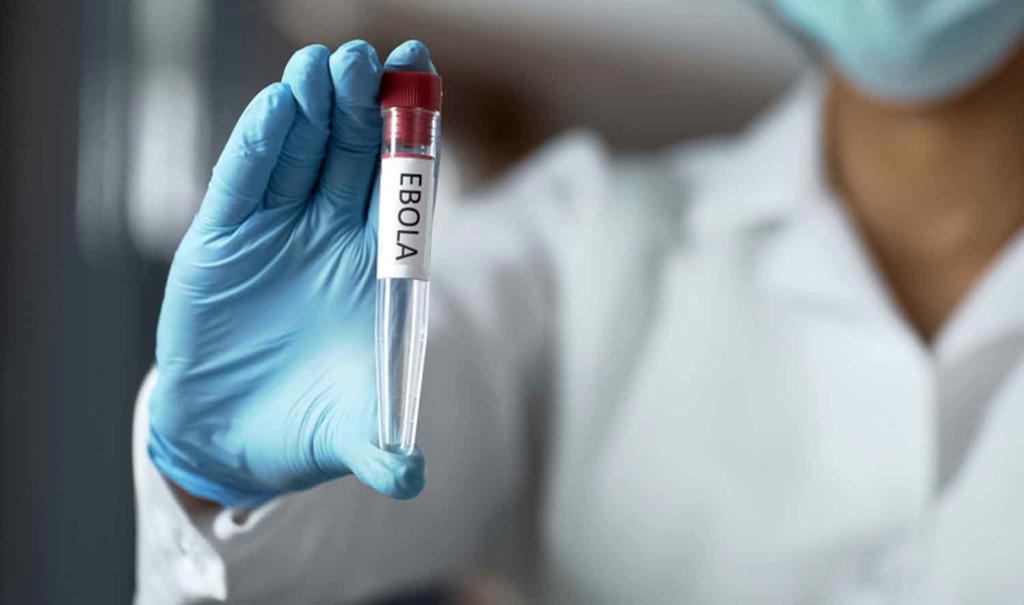
The current Ebola outbreak across Uganda and the DRC has reached 894 confirmed cases and 204 confirmed deaths, with 74 recoveries reported in the first month since the declaration on May 15, 2026.
Dr Wessam Mankoula, Acting Head of the Emergency Preparedness and Response Division at the Africa Centres for Disease Control and Prevention (Africa CDC), said this on Thursday during a webinar on the Ebola update.
Mankoula is also the Regional Director of the Northern Africa Regional Coordinating Centre (Africa RCC)
According to him, Uganda’s situation remains unchanged, with 19 cases, two deaths for a 10.5 per cent case fatality rate, seven recoveries, and 100 per cent contact tracing, all confined to one health zone in Kampala.
He said that the DRC was driving the outbreak, with Ituri Province as the epicenter, reporting 91 confirmed cases and accounting for 78 per cent of all deaths recorded in the country.
“North Kivu is the most worrisome area due to insecurity limiting responder access, resulting in a high case fatality rate and the lowest contact tracing coverage among the three affected provinces.
“The outbreak is spreading rapidly, with 32 health zones now affected across the DRC and Uganda, up from three health zones in week 1 to 11 on May 22, 14 in week 3, and 32 by week 4.
“This ranks as the third-largest Ebola outbreak by total cases and deaths so far, behind only West Africa 2014 and the 2018–2019 DRC outbreak, and fourth or fifth in caseload during the first four weeks compared to the top 20 outbreaks historically,” he said.
According to him, cases increased by 38 per cent from last week to this week, yet the geographic spread remains within the same three provinces where the outbreak began.
He said that contact tracing remains critically low. For more than 800 confirmed cases, an estimated 17,000 to 35,000 contacts should be listed and monitored daily, but only more than 6,000 are listed — about 20 per cent of the expected number.
“Of those 6,000 listed contacts, only around 4,000 are actively followed — less than 15 per cent of the contacts that should be monitored to detect new cases early.
“Without licensed vaccines or therapeutics for the Sudan strain, controlling the outbreak depends entirely on case identification, contact listing, and daily monitoring by community health workers.
“Safe and dignified burial capacity is severely lacking: only seven of 49 required teams are deployed, seven of 98 needed vehicles are available, and 84 of 540 required personnel are on the ground,” he said.
According to him, the Africa CDC declared a public health emergency of continental security on May 18, three days after the outbreak was confirmed, and the Director-General conducted field visits to the DRC and Kampala.
“On May 22 to May 23, Africa CDC convened a Kampala Summit with health ministers from the DRC, Uganda, and high-risk neighbors like South Sudan to agree on a joint action plan.
“High-level engagement continued with visits on June 12 from the EU Commissioner for Crisis Management and the WHO Director General, followed by DRC–Uganda cross-border coordination meetings on June 13 to June 14.
“On June 16, the African Union Commission and Africa CDC convened heads of state and government, chaired by the AU Chairperson, President of Burundi, to align political support,” Mankoula said.
He said that a unified continental response plan was launched by Africa CDC and WHO, structured around 11 pillars with a six-month budget of 517 million dollars for affected countries, at-risk neighbors, and partner coordination.
According to him, testing capacity improved dramatically: initial backlogs of five to eight days have been eliminated, with tests now processed within 24 hours, and 21,000 tests delivered to the DRC, Uganda, South Sudan, and Burundi.
He said that more than 27,000 additional tests are in the pipeline for affected and at-risk countries to sustain rapid case confirmation.
Mankoula said that treatment capacity is nearing its limit: nine Ebola treatment centres in the DRC have 433 beds at 86 per cent occupancy, and nine more centers are under construction to meet projected case growth.
He said that infection prevention and control assessments covered 43 facilities in the DRC and 108 in Uganda, with 42 sites supported for decontamination to protect healthcare workers.
“More than 60 metric tons of IPC commodities and medical supplies have been delivered to the DRC and Uganda, with support from India and Egypt, plus Starlink equipment for connectivity at points of entry and surveillance centers.
“A regional logistics hub was launched in MTB to manage Ebola supply chains, with a strategic task force, market working group, and control tower to coordinate procurement and distribution across the continent.
“Exit and entry screening guidance is now implemented, with about 90 per cent of travelers exiting the DRC screened, to reduce cross-border transmission without broad movement restrictions.
“Funding remains a gap: AU heads of state summits secured $910 million in pledges, including $80 million from AU member states, but less than $90 million has been released so far to affected countries and partners,” he said.
According to him, the key challenges ahead include the absence of licensed medical countermeasures, ongoing insecurity that blocks access, especially in North Kivu, the need to protect healthcare workers, and the urgent need to scale up contact tracing from less than 15 per cent to the 95 per cent target to bring the outbreak under control.
The post Ebola outbreak hits 894 cases in one month appeared first on Vanguard News.









/https%3A%2F%2Fmedia.afrik-foot.com%2Fen-ng%2F2026%2F06%2Fimago1078366181.jpg)




 English (US) ·