
.png) 2 months ago
51
2 months ago
51
ARTICLE AD BOX
By Henry Ezejelue
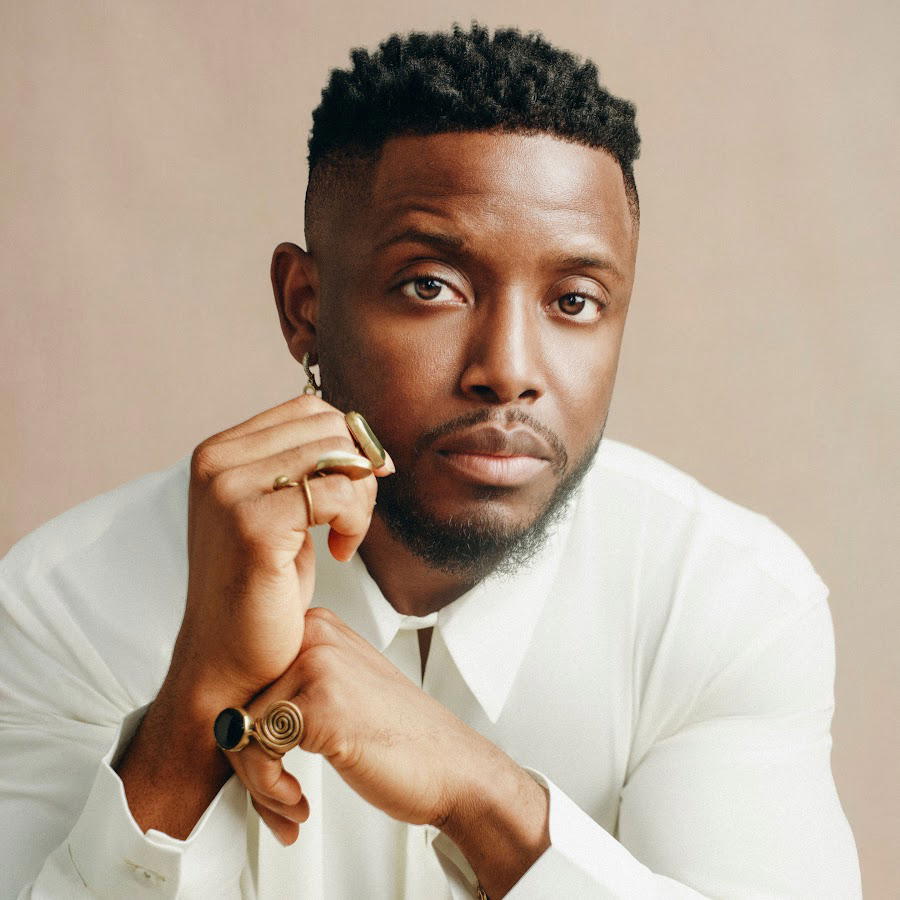
Romantic allegations linking Nigerian singer Chike to the ex‑wife of media personality Frank Edoho have continued to spark heated debate online, raising fresh questions about morality, celebrity culture, and whether personal controversies still affect careers in today’s entertainment industry.
Veteran broadcaster Frank Edoho recently made public accusations against his ex‑wife, Sandra, following reports of her alleged relationship with Chike. The story has dominated headlines in recent weeks, with Sandra facing widespread criticism after claims of an extramarital affair with the singer surfaced online.
The controversy shows no sign of fading, and as the story unfolds, a key question has emerged: will married men and family‑oriented event organizers remain comfortable hiring Chike for weddings, anniversaries, birthdays, and other private celebrations?
In Nigeria, an entertainer’s public image often matters as much as their talent, especially for events centered on marriage and family values. For some older or more conservative clients, the allegations may create discomfort around associating with the singer publicly. A wedding or anniversary celebrates loyalty and stability, so hiring an artist accused of involvement with another man’s wife can feel contradictory to those values. As a result, some event organizers may quietly avoid booking him, at least in the short term.
Unarguably, the entertainment industry rarely runs on morality alone. Controversy often boosts visibility rather than ending careers. In modern celebrity culture, relevance is currency. The more people talk about an artist, the more attention they receive and attention usually translates into streams, bookings, and curiosity.
What makes this case notable is the reaction from many women online. Instead of outright condemnation, a significant number of female fans have defended Chike, expressed admiration, or treated the situation casually. That response points to a shift in audience behavior.
For younger audiences, emotional connection, talent, attractiveness, and public persona often outweigh traditional moral judgments. Chike’s image as a calm, romantic, emotionally expressive artist has built him a loyal female fan base that connects deeply with his music and personality. To many supporters, the controversy does not erase that bond.
The reactions also highlight gender dynamics in celebrity culture. Male celebrities involved in romantic scandals are often forgiven faster and sometimes become more intriguing to parts of the public. Women in similar situations usually face harsher criticism and backlash.
Another factor is the growing separation between an artist’s private life and professional value. Many fans now believe personal conduct should not automatically determine talent or career opportunities.
From a career standpoint, the allegations may affect Chike more in conservative spaces than in mainstream entertainment. Family‑focused events and cautious brands may hesitate, but his core audience, especially younger listeners and women, is unlikely to abandon him over the controversy. If anything, the discussion may temporarily increase public interest. Ultimately, the situation shows how much Nigerian entertainment culture is changing. Morality still matters, but emotional influence, celebrity appeal, social media relevance, and fan loyalty now play an equally powerful role in determining whether a scandal damages a career or simply keeps the artist in the spotlight longer.
The post Scandal or spotlight: What’s next for Chike’s career? appeared first on Vanguard News.













 English (US) ·