
.png) 4 months ago
47
4 months ago
47
ARTICLE AD BOX
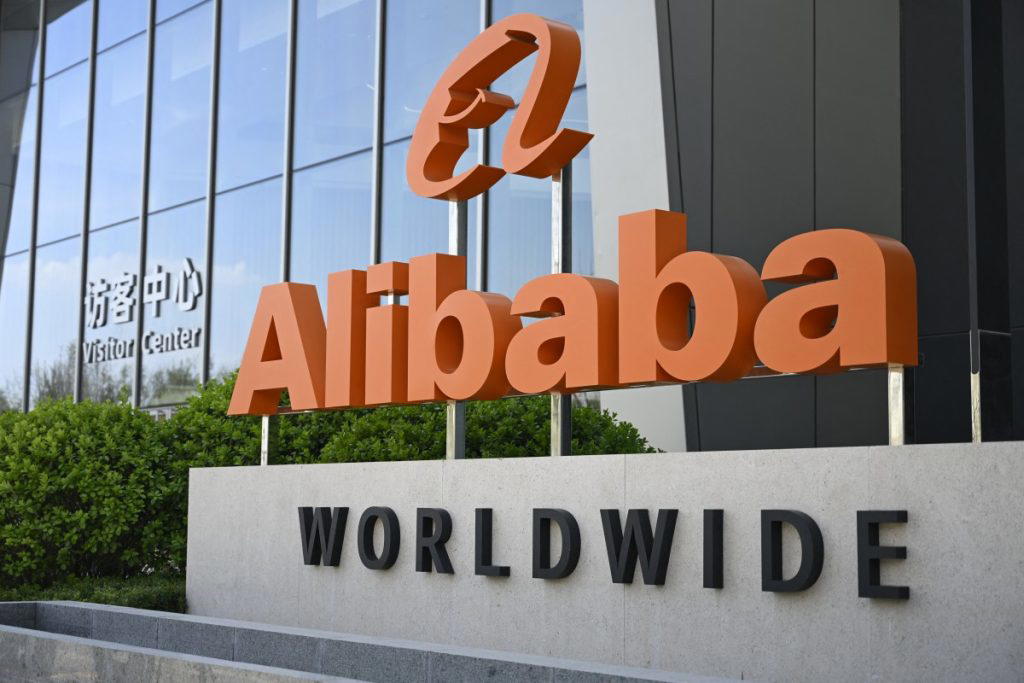
Alibaba announced on Wednesday that its net profit fell by almost 20 % in the most recent fiscal year, a decline attributed to a weak domestic economy and costly investments in artificial intelligence.
The Hangzhou‑based company, which operates several of China’s largest online shopping platforms, has seen its core e‑commerce business pressured by price competition and sluggish consumer spending in the world’s second‑largest economy.
Alibaba is allocating tens of billions of dollars to AI, and shareholders are watching closely to see how the firm will monetize these substantial outlays.
For the year ended 31 March, the company reported net profit of 105.9 billion yuan ($15.6 billion), according to a filing with the Hong Kong Stock Exchange, down from 129.5 billion yuan in the prior fiscal year.
This represents an 18 percent year‑on‑year decline.
Revenue in the final quarter grew 3 percent year‑on‑year to 243.4 billion yuan, the statement added.
“Alibaba’s full-stack AI investments have progressed from incubation to commercialisation at scale,” CEO Eddie Wu was quoted as saying in the statement.
Wu said the firm “achieved accelerated breakthroughs across models, cloud infrastructure, and applications” during the most recent quarter.
Alibaba’s open‑source Qwen AI models enjoy popularity among programmers worldwide.
Earlier this week, the company announced that it had embedded Qwen’s agentic features—capable of performing tasks for users—into its widely used Taobao shopping app in China.
Wu stated in Wednesday’s filing that Alibaba sees “massive potential for agentic AI”.
– AI fervor –
Analysts at Bloomberg Intelligence had predicted ahead of the earnings release that Alibaba “is likely to lean even harder into AI integration across its ecosystem in fiscal 2027”.
They added that the company will keep “expenditure high to spur user adoption”.
Alibaba, together with fellow Chinese tech giant Tencent, is reportedly in discussions to invest in leading AI startup DeepSeek, which in April unveiled a major new artificial‑intelligence model.
AFP received no immediate comment from Alibaba on the reports, which indicated that DeepSeek’s funding round could value the startup at up to $50 billion.
Alibaba’s own AI products have attracted attention for their quality; its “HappyHorse” video generator topped benchmark tests when released in April.
The company previously faced an intensive regulatory crackdown on the Chinese tech sector that began in late 2020, driven by Beijing’s concerns that dominant firms had become overly powerful.
Jack Ma, the charismatic co‑founder who had openly criticized aspects of China’s financial and regulatory framework, kept a low profile throughout the campaign.
His unexpected appearance in February 2025 at a meeting with President Xi Jinping and other business leaders signaled a possible shift in Beijing’s stance and sent Alibaba’s shares soaring.
Ma is no longer an executive at Alibaba but is believed to retain a substantial shareholding in the company.
Alibaba’s shares on both U.S. and Hong Kong exchanges have underperformed this year despite the global surge in AI investment.
In other results posted to the Hong Kong Stock Exchange on Wednesday, technology peer Tencent reported a 21 percent increase in quarterly net profit.
The video‑game company, based in Shenzhen, has also directed significant investment toward AI in recent years.
The post Chinese tech giant Alibaba posts profit drop amid AI drive appeared first on Vanguard News.





 English (US) ·