
.png) 2 months ago
37
2 months ago
37
ARTICLE AD BOX
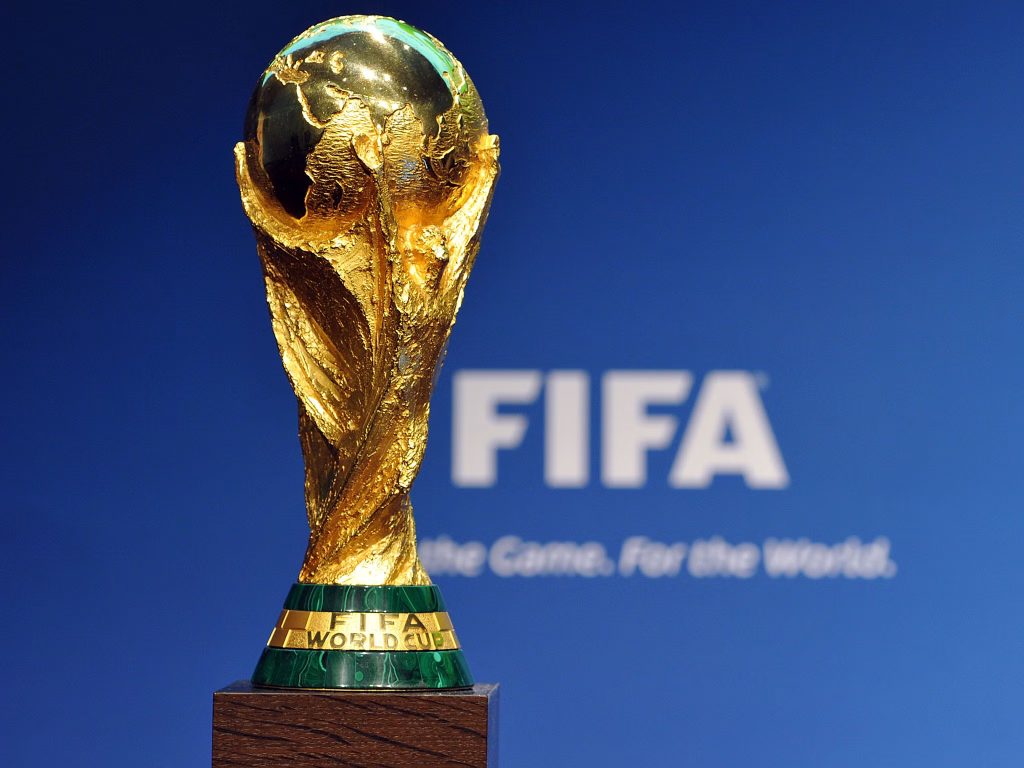
As African nations prepare for the 2026 FIFA World Cup in the United States, Canada and Mexico, one narrative is already shaping the conversation: Nigeria’s unexpected absence from the continent’s list of representatives.
The African teams that have qualified are Ivory Coast, Egypt, Tunisia, Morocco, Senegal, DR Congo, Ghana, South Africa and Algeria.
Without Nigeria, the “African buzz” surrounding the tournament would shift in several significant ways.
A Major Voice Missing from the Continent’s Football Culture
Few African teams attract global attention like the Super Eagles. Nigeria’s absence would remove one of the continent’s most vocal fan bases from the World Cup dialogue.
From Lagos watch parties to diaspora communities across Europe and North America, Nigerian football culture consistently drives social media trends, memes and match‑day engagement. Without it, Africa’s online football presence would feel noticeably quieter.
Reduced Commercial and Media Pull
Nigeria is more than a football team; it is a media magnet. Broadcasters and sponsors often rely on Nigerian matches to boost ratings and engagement across African markets.
Absent the Super Eagles, African viewership patterns could shift toward North African giants like Morocco and Egypt, or West African rivals such as Senegal and Ghana. While these teams have strong followings, Nigeria’s scale and emotional pull are difficult to replace.
The Nigerian Jersey Effect: Style, Identity, and Global Buzz
One of the most visible cultural impacts of Nigeria’s World Cup absence would be fashion and identity.
Nigeria’s kits, especially those produced by Nike, have become global cultural symbols beyond football. The 2018 Super Eagles jersey, with its bold green‑and‑white geometric pattern, became one of the most talked‑about kits in World Cup history, selling out almost instantly and trending worldwide before a ball was even kicked.
That “jersey vibe” is more than clothing: it is a cultural statement. Nigerian kits often blend football with music, street fashion and pop culture, making them a global trend even among non‑football fans.
Without Nigeria at the 2026 World Cup, one of the tournament’s most anticipated kit reveals—and one of its most viral fashion moments—would be missing.
Star Power Still Strong: But Different
The continent still boasts elite talent on the global stage, with players spread across the qualified countries. However, Nigeria’s absence means missing globally marketable figures such as Victor Osimhen, Ademola Lookman and other Super Eagles stars who often attract neutral viewers and casual fans.
That absence could subtly reduce global curiosity around African storylines.
Opportunity for a New African Hierarchy
Nigeria’s absence would also accelerate a shift in perception. Teams like Morocco, Senegal and Algeria could further establish themselves as the new faces of African football on the global stage.
It may also open space for emerging narratives from DR Congo or Ghana to gain more attention than they otherwise would in a tournament featuring Nigeria.
A Quieter but Still Competitive African Presence
Africa would still arrive at the 2026 World Cup with depth, talent and ambition. But the absence of the Super Eagles would be felt beyond the pitch—in stadium energy, digital engagement and global attention.
In short, Nigeria missing out would not diminish Africa’s football strength, but it would change its volume, visibility and vibrancy on the world stage.
The post 2026 World Cup: Why Nigeria’s absence could change African buzz appeared first on Vanguard News.






![Keyamo clashes with Seun Akinbaloye during live TV over airport drama involving Peter Obi [VIDEO]](https://dailypost.ng/wp-content/uploads/2025/08/Festus-Keyamo.jpg)




 English (US) ·