
.png) 3 months ago
62
3 months ago
62
ARTICLE AD BOX
By Prisca Sam-Duru
Recently, an unsettling incident unfolded in my neighbourhood. A crowd had gathered outside a shop to watch a video that was being shared via WhatsApp. The footage depicted a young woman, the daughter of a local landlord, in explicit sexual content. She is an undergraduate student under 19, making her a child by international standards. The scene showed her performing sexual acts with a man in a manner that appeared professional, including fellatio. The discovery sparked shock and disgust among onlookers, many of whom felt that the image was a stark contrast to the children celebrated on May 27.
Reactions were swift and harsh. The woman’s mother received harsh criticism, and her older sister was accused of influencing her behaviour. The incident raised questions about the exposure of minors to pornography and the broader issue of child exploitation for financial gain.
Socioeconomic pressures, a desire for belonging, and eroding moral values are contributing to the erosion of childhood for many Nigerian youths. The loss of innocence is evident in the increasing prevalence of drug use, costly fashion trends, and other risky behaviours among children.
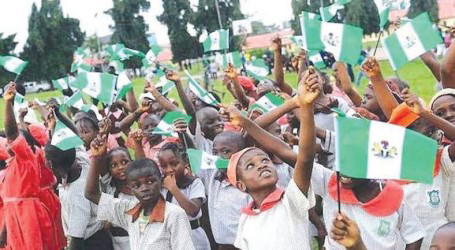
Traditionally, Children’s Day in Nigeria has been a festive occasion featuring sports, dance competitions, and other activities. However, growing insecurity has made many parents reluctant to allow their children to participate in school or community events.
During the 2026 celebrations, the focus was on children who have been abducted or displaced. For example, children from Oyo State were reported to be sleeping in the bush with individuals identified as terrorists. Similar incidents have been reported across the country, with students fleeing schools amid threats of terrorist attacks. This climate of fear has made many children, regardless of region, hesitant to attend school.
The 2026 National Children’s Day is remembered as one of the most difficult celebrations in recent memory. It highlighted the absence of children like Leah Sharibu, who was kidnapped as a child, and the Chibok girls, many of whom remain in captivity. The day also brought attention to the more than 18 million children in Nigeria who are out of school, many due to insecurity or extreme poverty.
These circumstances have forced some children into labour, street vending, and other hazardous situations, exposing them to rape, ritual killings, trafficking, and other dangers.
The situation raises questions about how Nigeria has reached a point where children are kidnapped from schools, filmed in the bush, and left in silence. Critics argue that politicians are more focused on securing future power than addressing these failures. Calls for accountability and a renewed commitment to child protection have intensified.
To truly honour Children’s Day, Nigeria must ensure that all children are safe, protected, and provided with a secure future. No child should be out of school when the country has the resources to offer free education. The government must intensify efforts to secure the return of children held by terrorists and to safeguard those attending school. Future celebrations should reflect the resilience and potential of Nigerian children, celebrating them as outstanding contributors to the nation’s future.
The post 2026 Children’s Day: Which children is Nigeria celebrating? appeared first on Vanguard News.



 English (US) ·